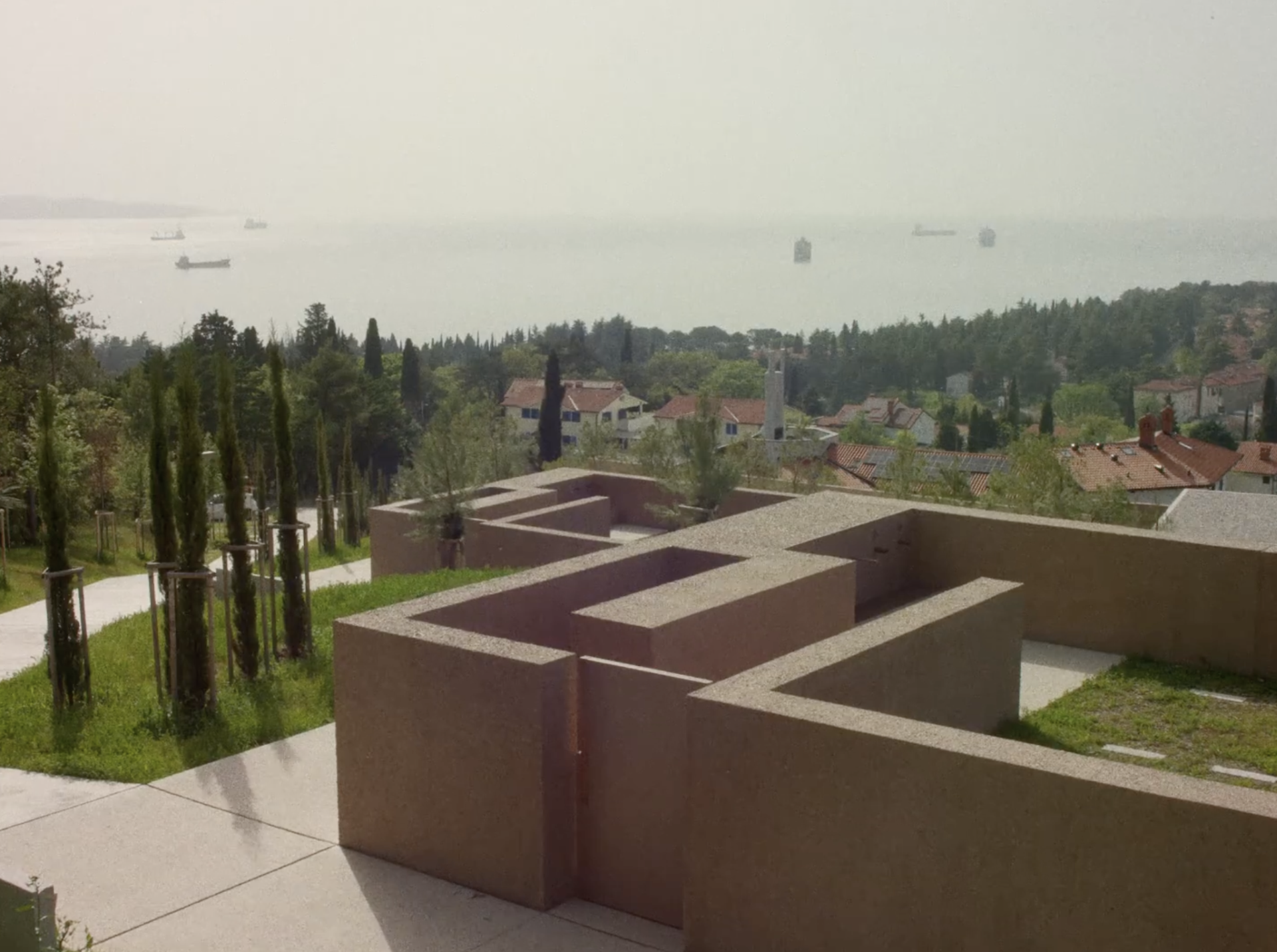
This year’s award winners are featured in a new format in a documentary film directed by Matevž Jerman and shot by cinematographer Rok Kajzer Nagode.

Understanding the relationship between architecture and the broader space significantly determines a criterion in which not only square or linear meters are essential, but also an understanding of the relationship to the circumstances in which architecture can create a specific experience of space. In this context, the balance of relationships with movement also acquires its own temporal dimension.
From the harmony of materials, physical space, and movement, we can also discern, within the context of architecture, the ethical stance of those involved in its creation. This includes not only architects and landscape architects, but also numerous collaborators, managers, contractors, investors, as well as writers, photographers, and others. Architecture is, after all, a collective endeavor. Its essence lies in social values that today seem to be slowly disappearing. The balanced scale of architectural work is therefore influenced by numerous invisible bonds, without which architectural culture would have no place in contemporary society.
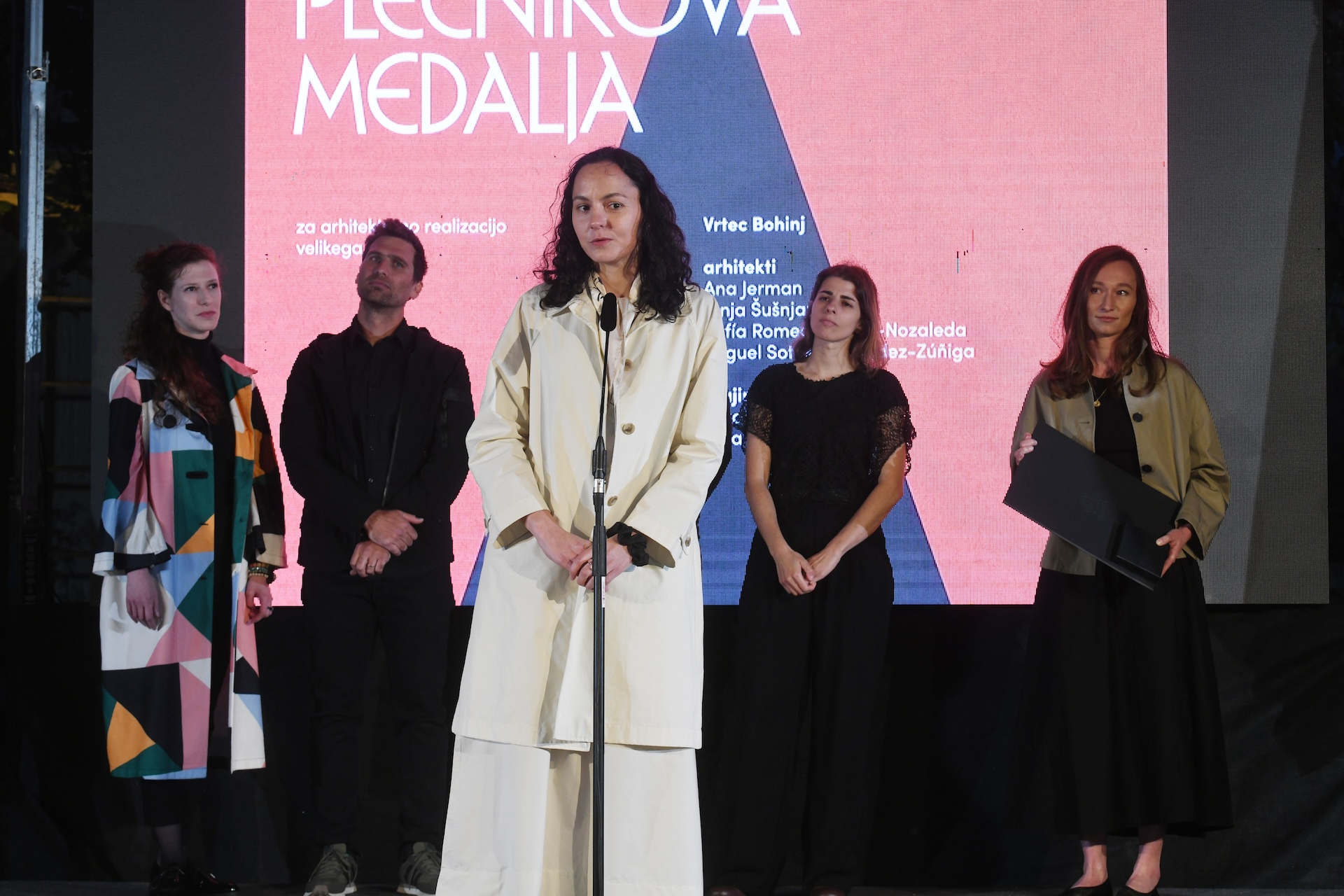
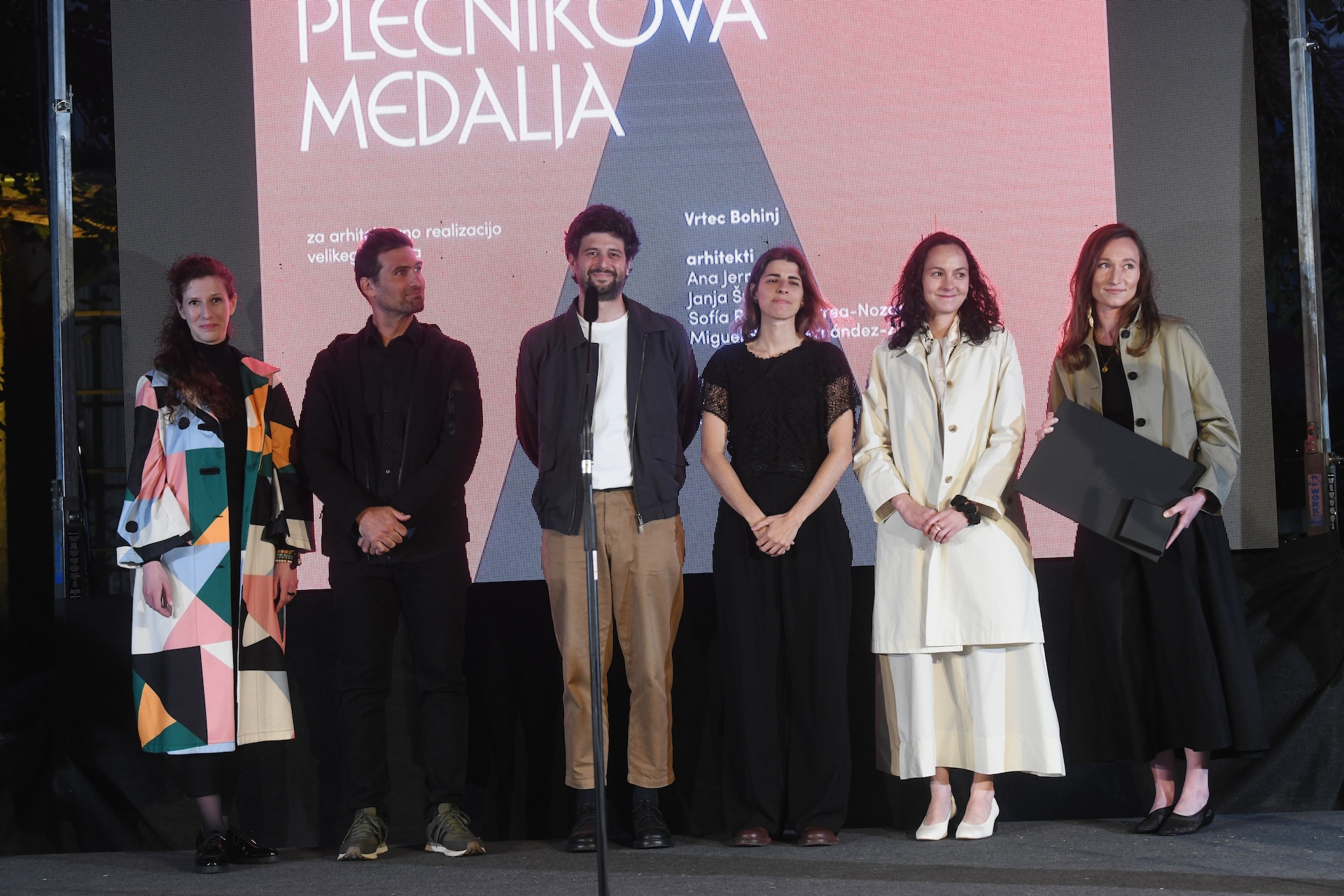
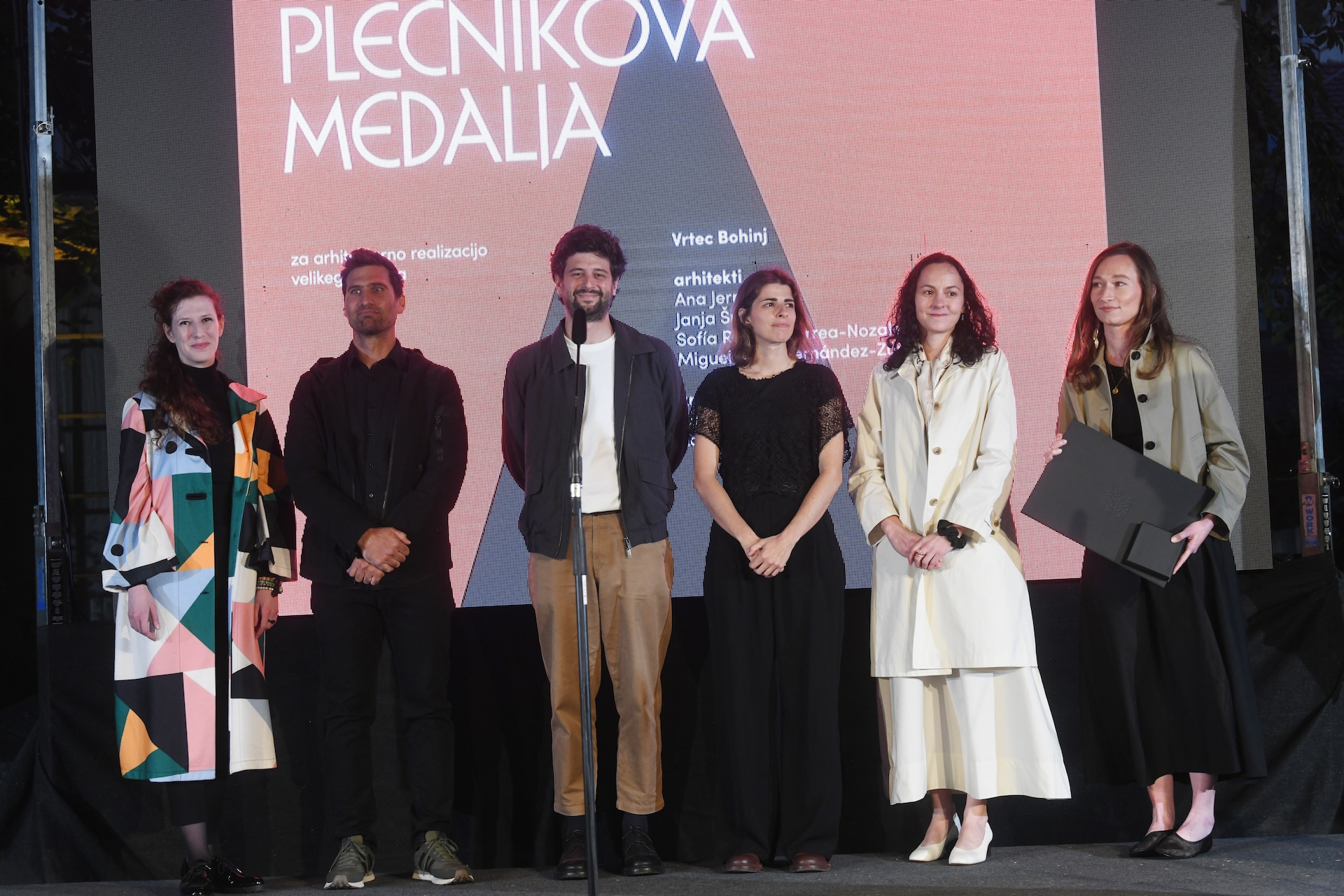
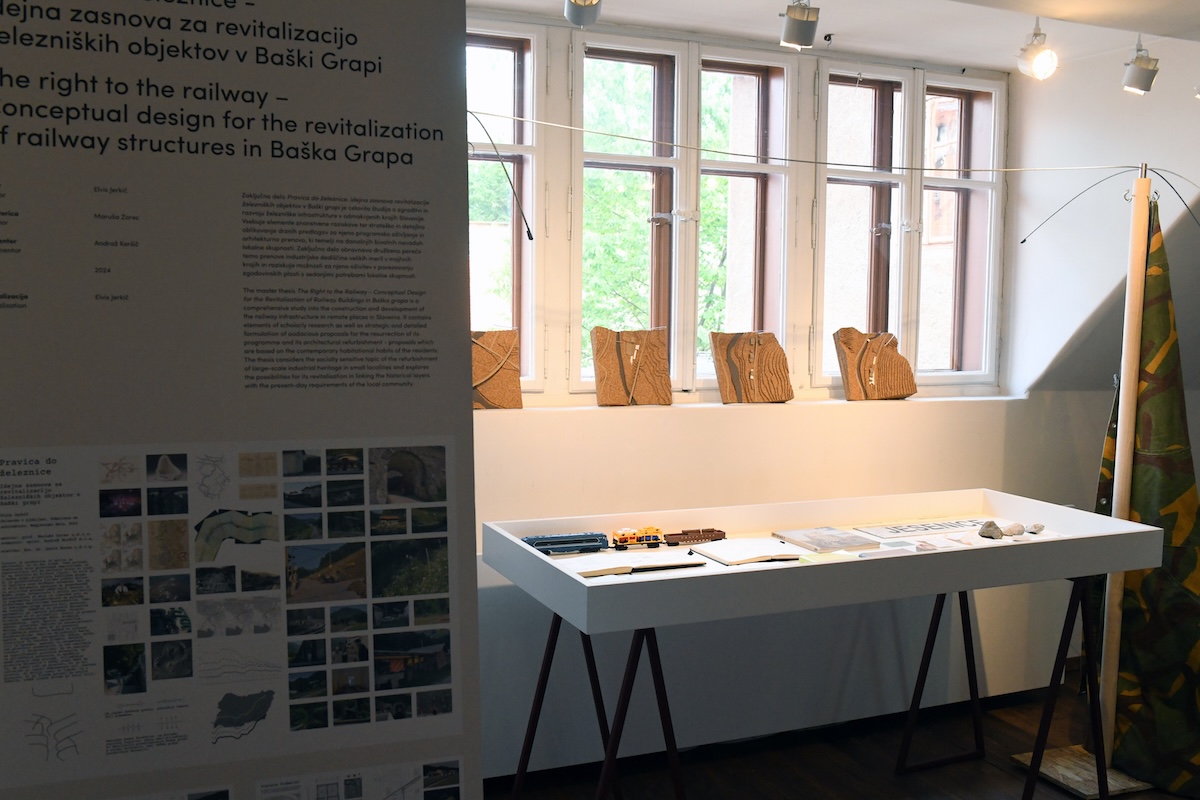
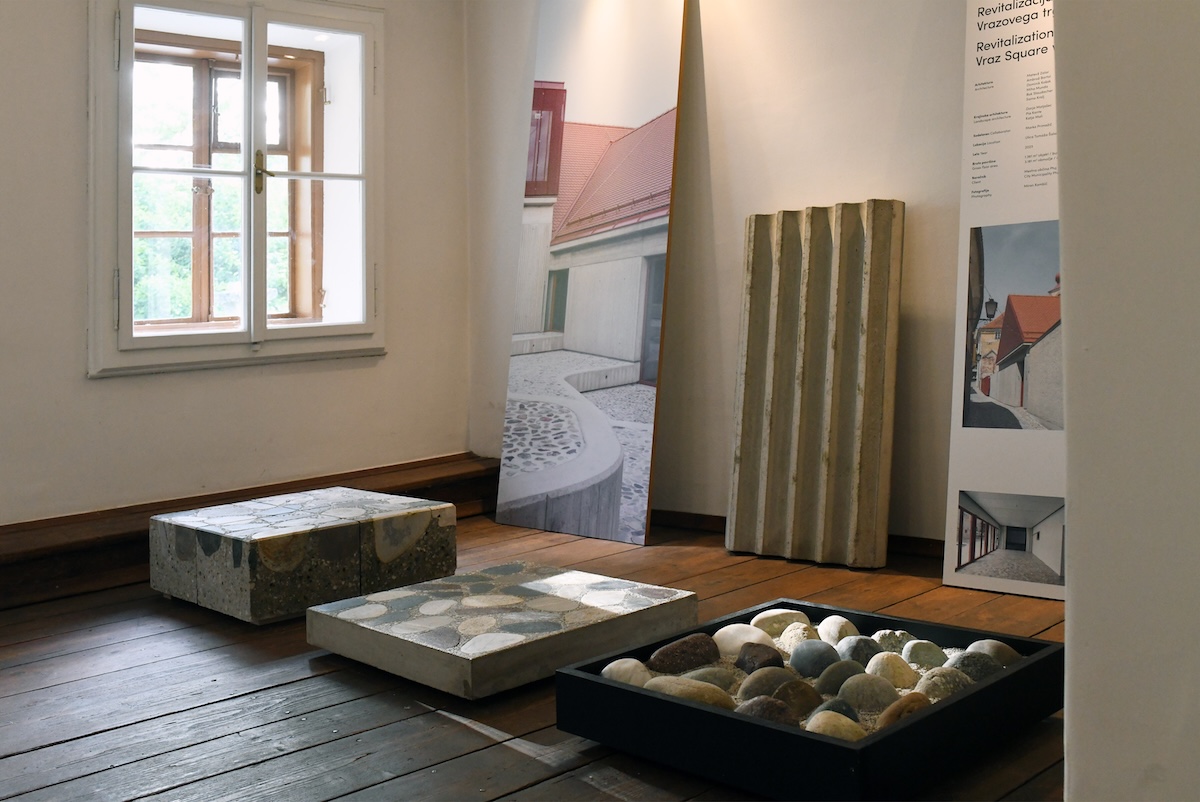
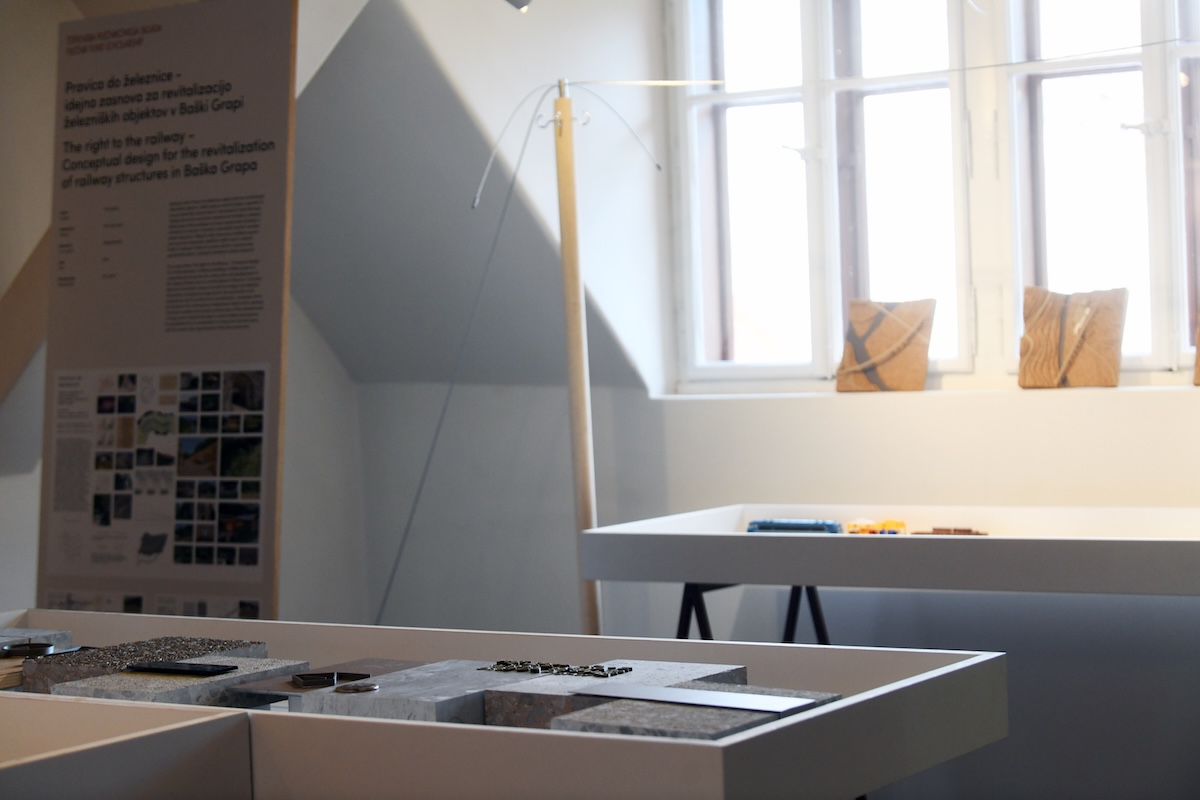
Architecture—on both a grand and a small scale—connects space with people: it connects the periphery and the center, nature and the city, exterior and interior space, history and the present, the young and the old, and even the world of the living and the dead. It is a tool for calibration, and this is reflected in all of this year’s award-winning works. The Ankaran Cemetery calibrates the scale of the cemetery with that of the park and the wider landscape, life and death with infinity, the horizon, and the sky; The Bohinj Kindergarten calibrates the enlarged scale of architecture with the small scale of users and the site; the revitalization of Stara steklarska and Vrazov trg in Ptuj calibrates the small scale of interventions with the large impact of the programs offered by the city center; the book Between History, Ideologies and Conflicts: Architecture in Slovenia 1968–1991 explores new relationships within the architectural culture of recent history on a broader European scale; the Landezine platform, though lacking physical dimensions, balances the large scale of a global online hub with a real-world space for observing, revealing, and exploring the organization of open space on the small scale of a smartphone; the master’s thesis The Right to Rail: a conceptual design for the revitalization of railway structures in the Baška Gorge within the context of the Bohinj Railway, establishes a dialogue with the local community through large-scale infrastructure and landscape interventions combined with small-scale “acupuncture” interventions, and opens up new reflections on the role of architecture in the context of temporary use of space.
Last but not least, all three award-winning works in the categories of public space and architectural projects of both large and small scale are the result of public competitions and public investments by local communities, which once again demonstrates that the prerequisites for the realization of high-quality architecture are the professional selection of the best solution and a transparent public procurement process.
The high quality of all this year’s proposals, and especially the excellence of the award-winning works, demonstrate that even in today’s era of major social crises, architectural ideas on both a large and small scale are emerging and being realized, finding new ways to connect space and people, thereby making a significant contribution to the search for answers to the deepest questions of human existence.
The portal for the 2025 Plečnik Awards received 44 submissions, two of which were duplicates, resulting in 42 valid entries: 11 in the large-scale projects category, 12 in the small-scale projects category, and 5 in the public space projects category, as well as 4 in the professional journalism category, 5 in the enrichment of spatial culture category, and 5 in the Prešeren Fund scholarship category. The jury reclassified two entries from the large-scale projects category, moving one to the small-scale projects category and one to the public space category. One work in the professional journalism category was excluded from evaluation due to a conflict of interest.
The introductory meeting took place at Plečnik House on January 28, 2025; this was followed by two more meetings and then three days of site visits. The final meetings were also held at Plečnik House. A detailed account of the proceedings can be found in the minutes.
The selection committee concluded the process on March 7 at the same location and made the final decisions regarding the awarding of prizes.
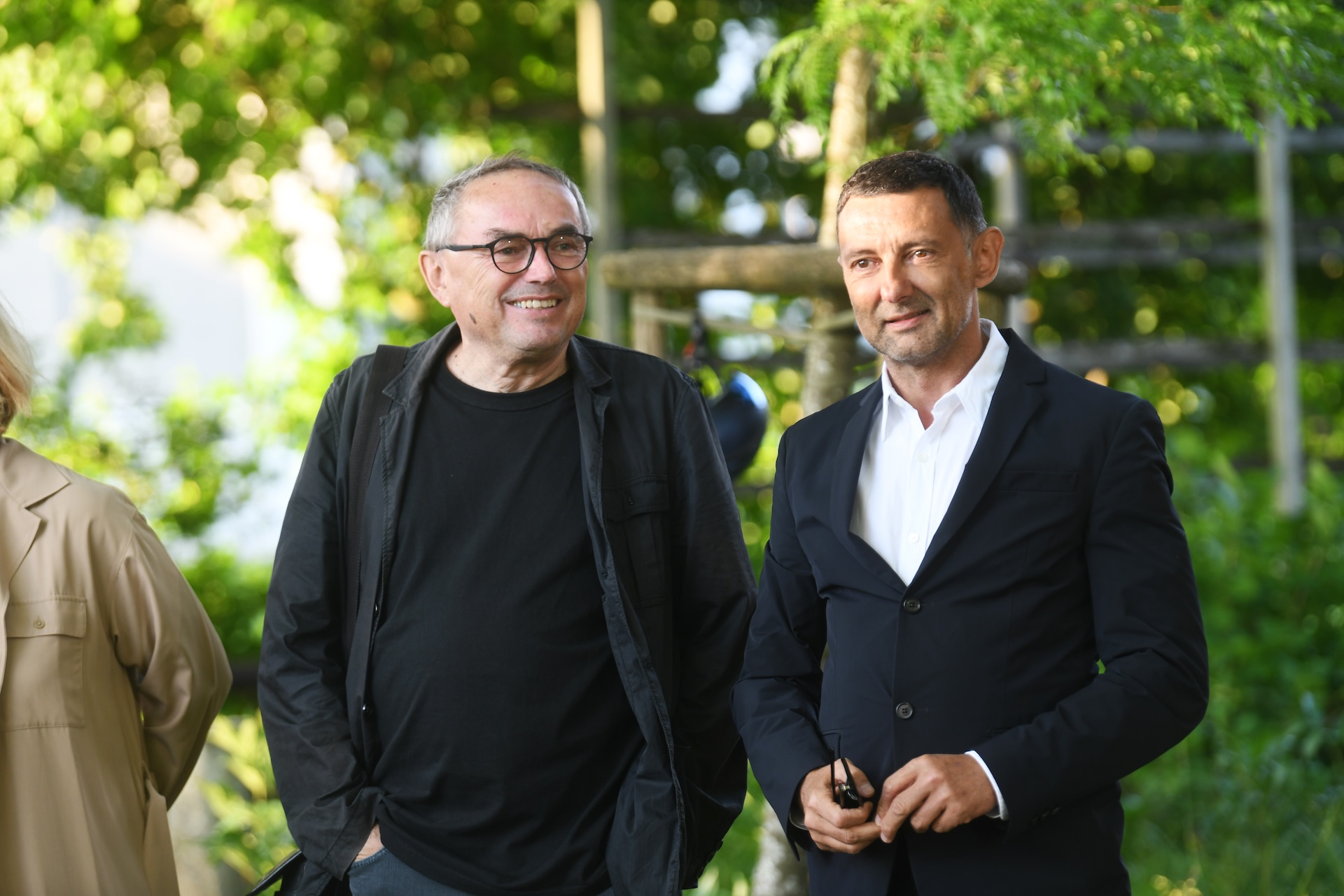
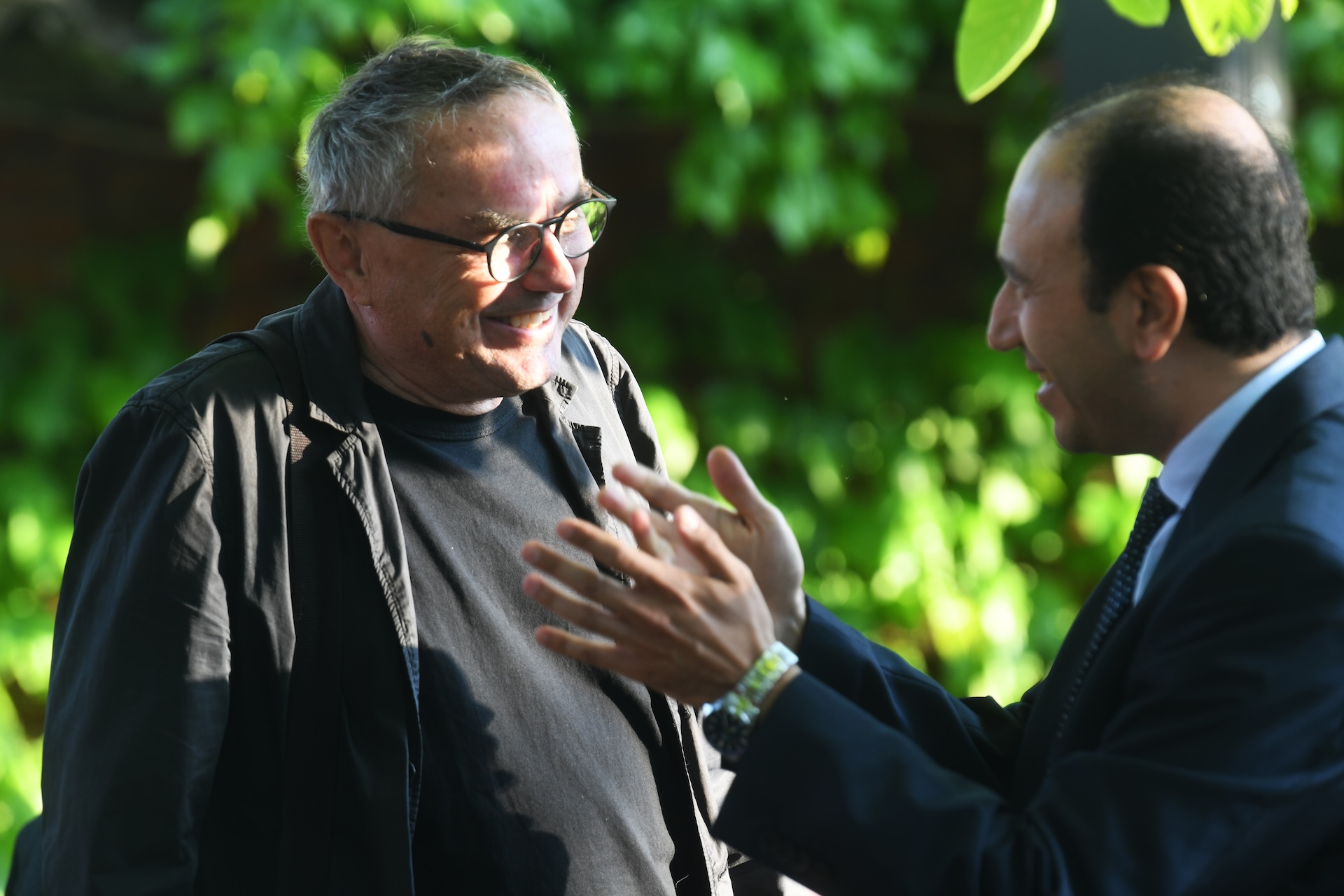
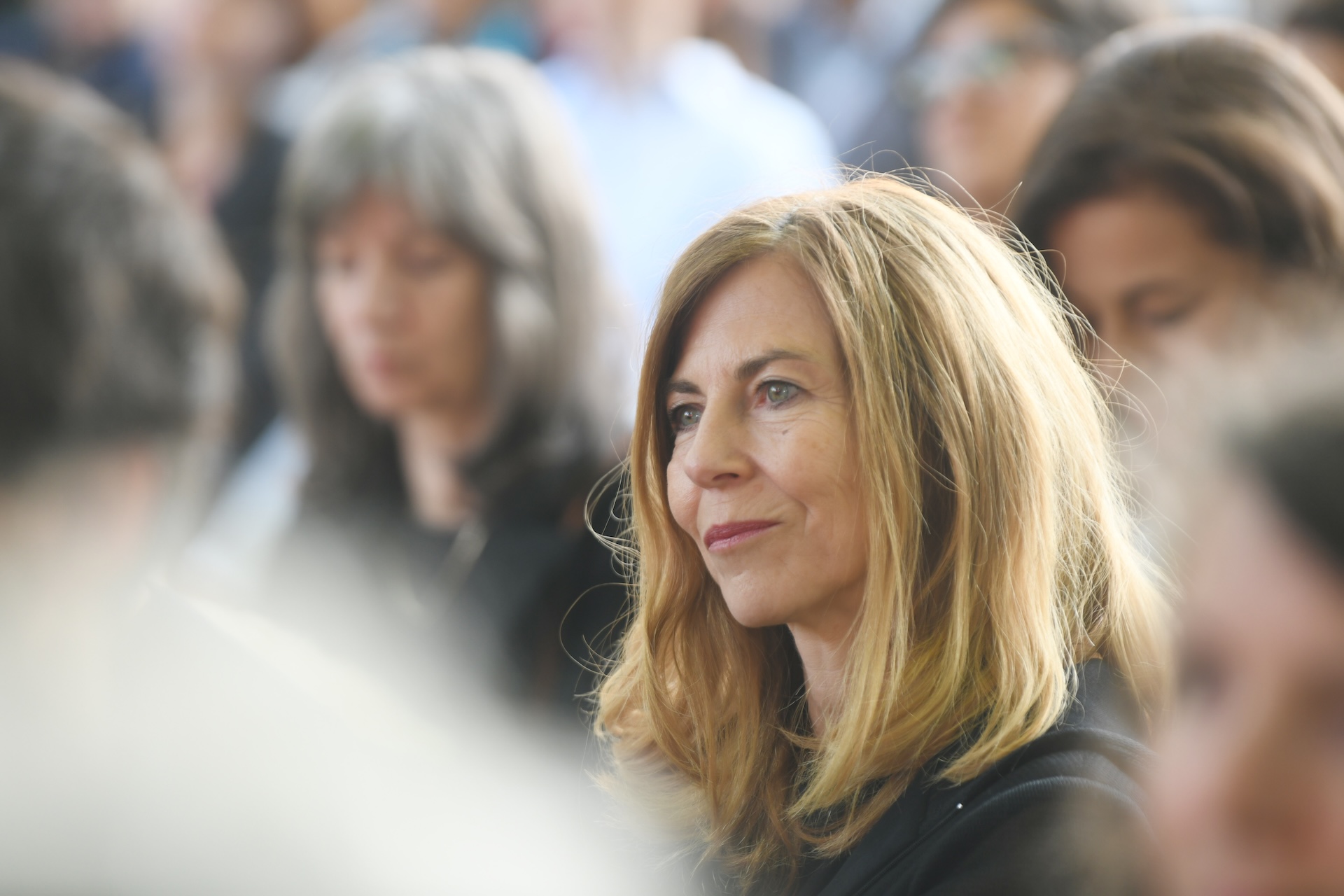
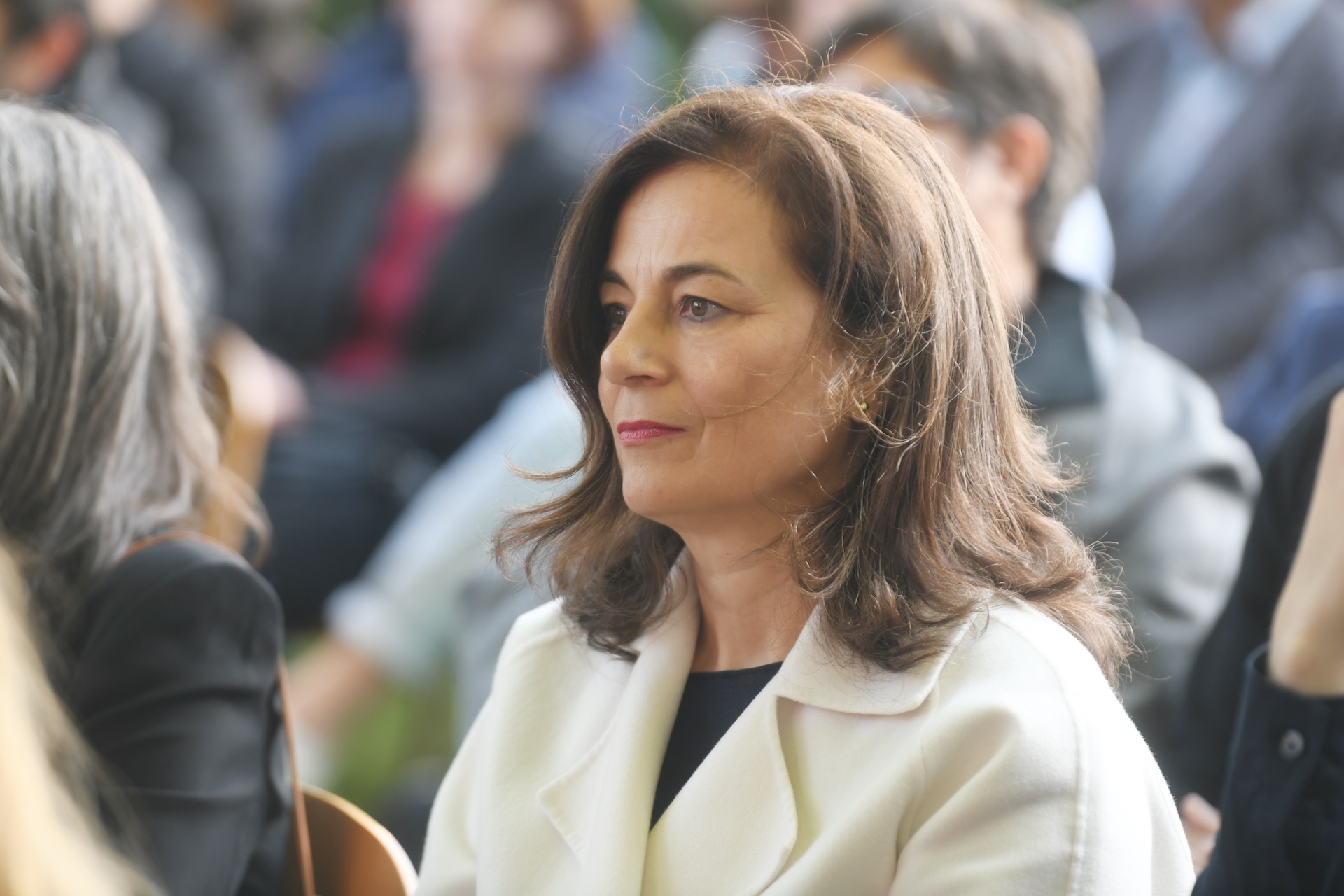
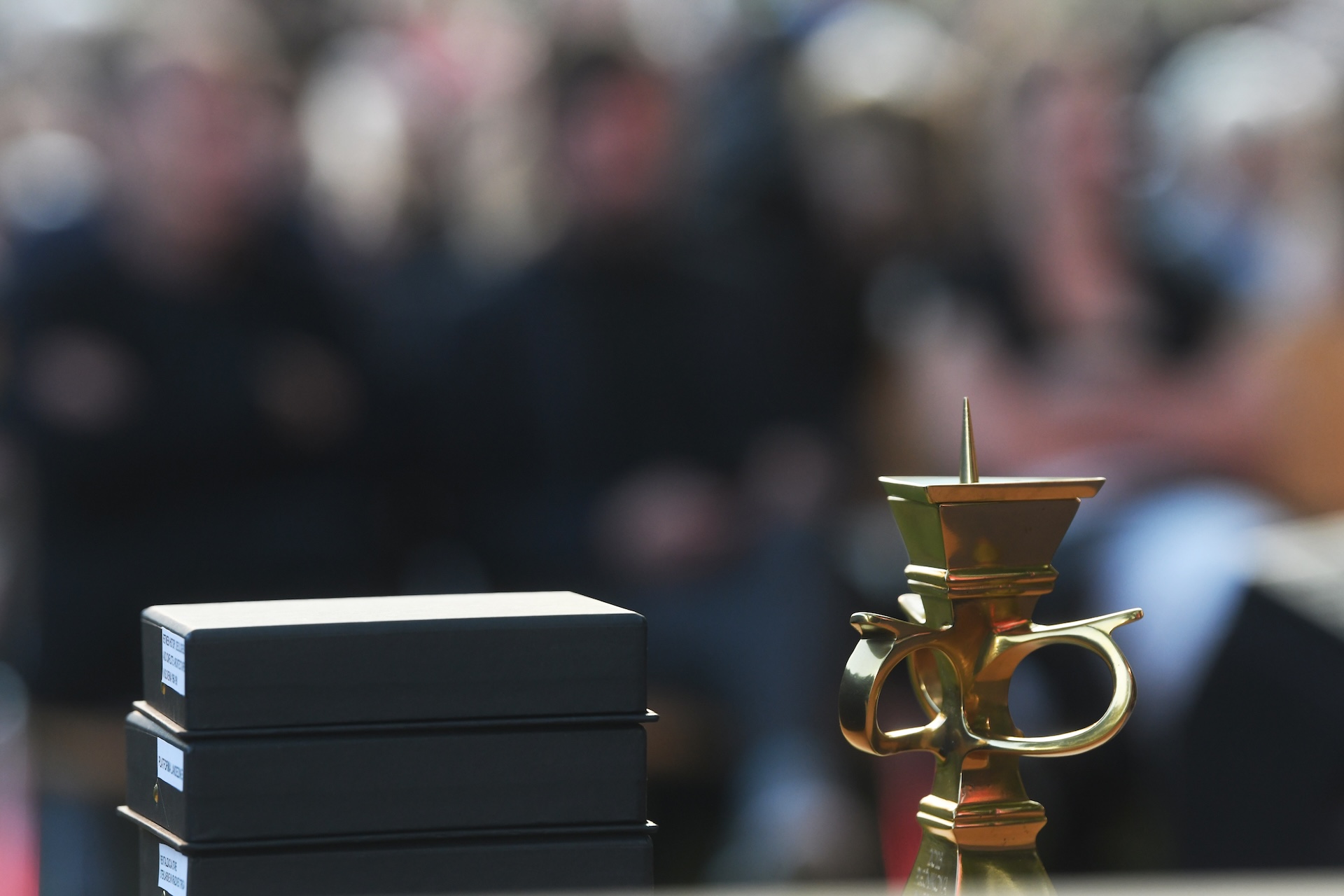
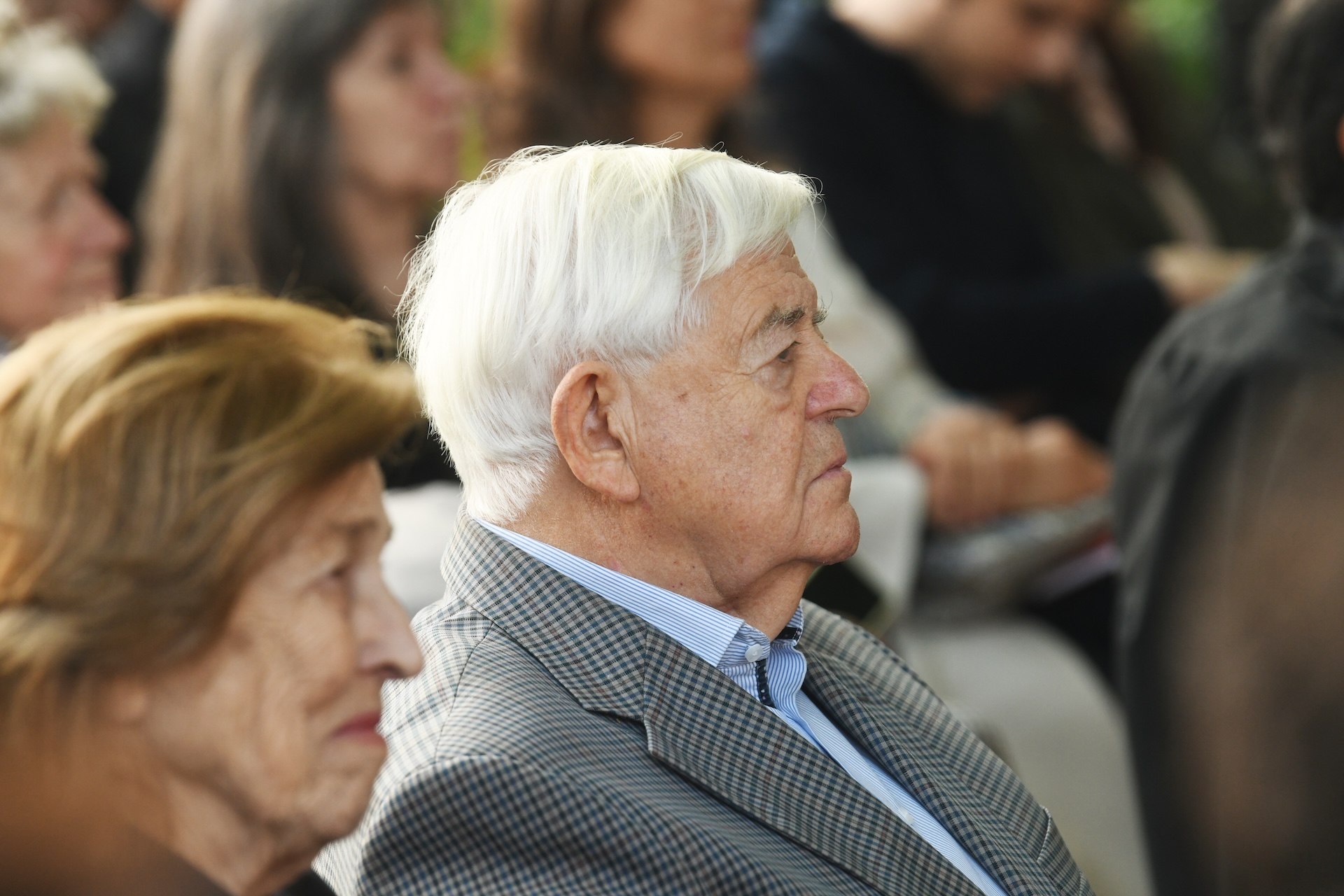
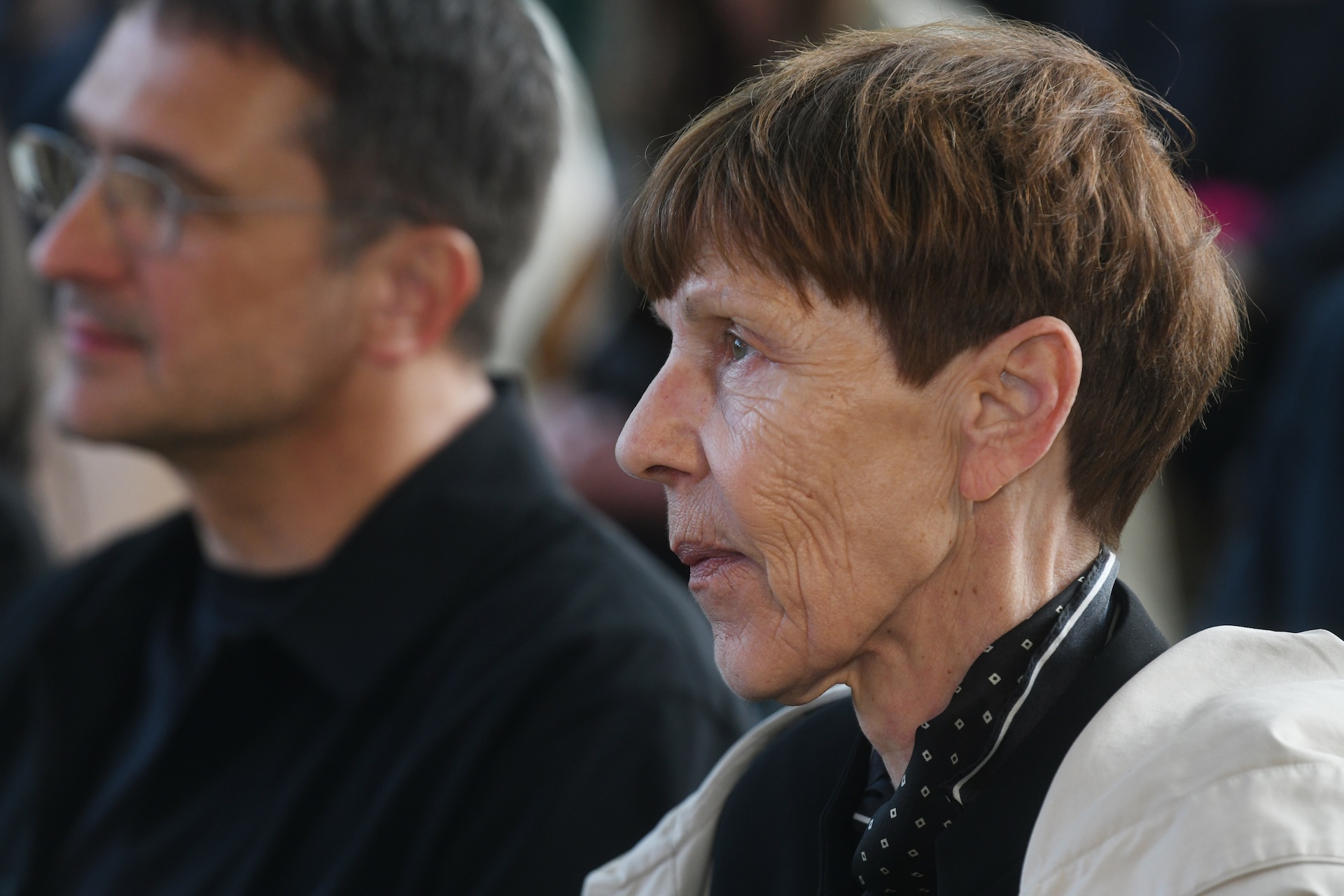
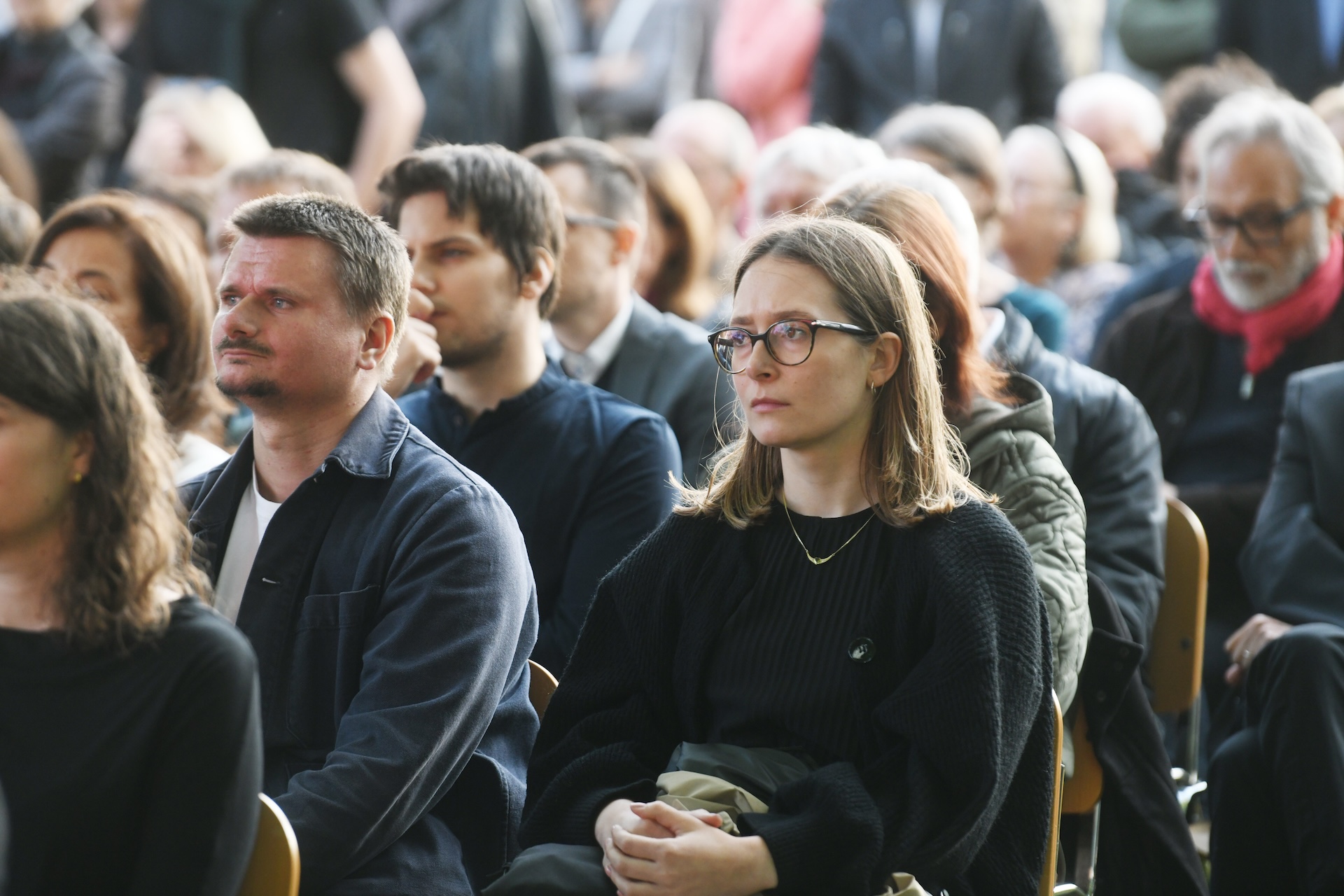
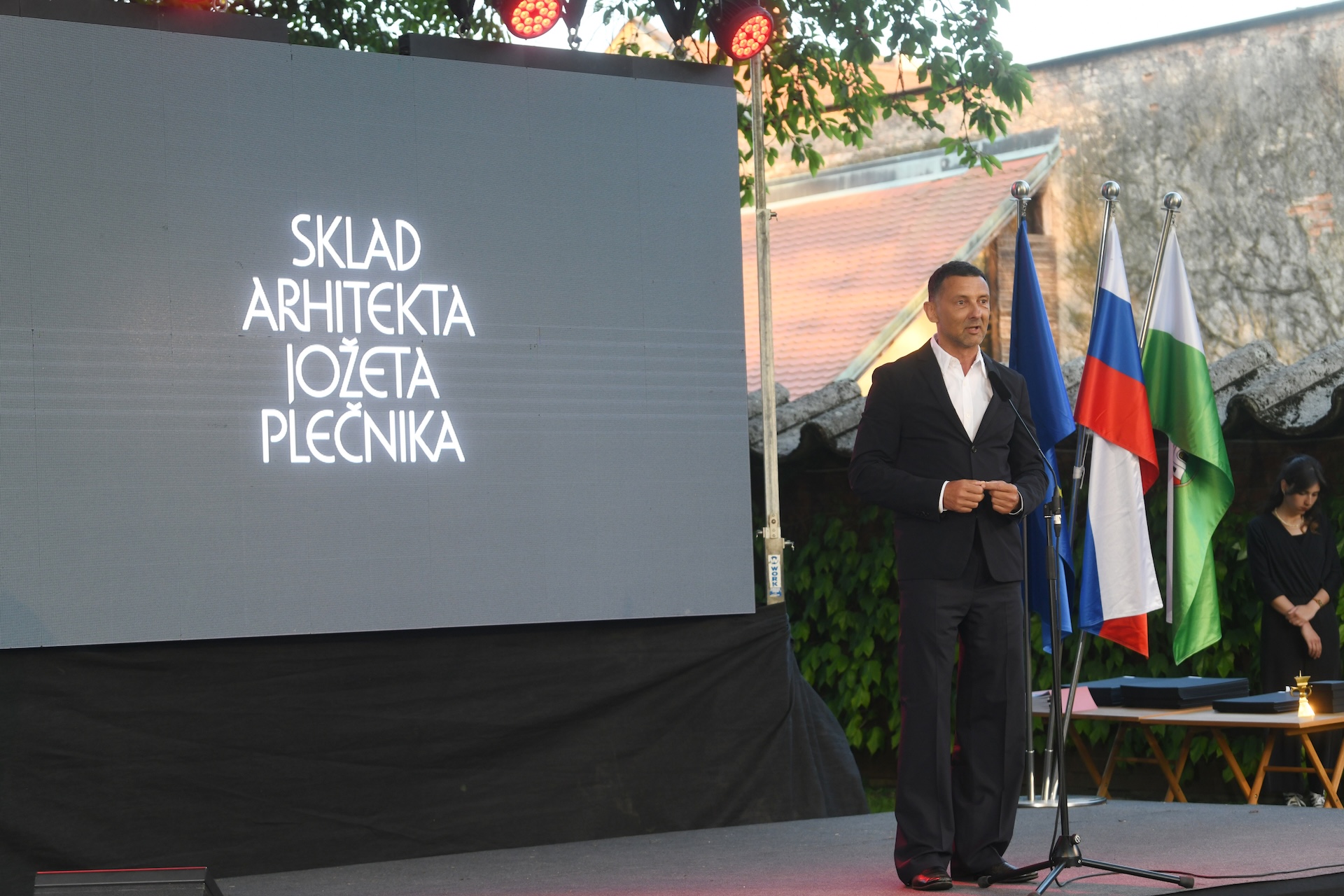
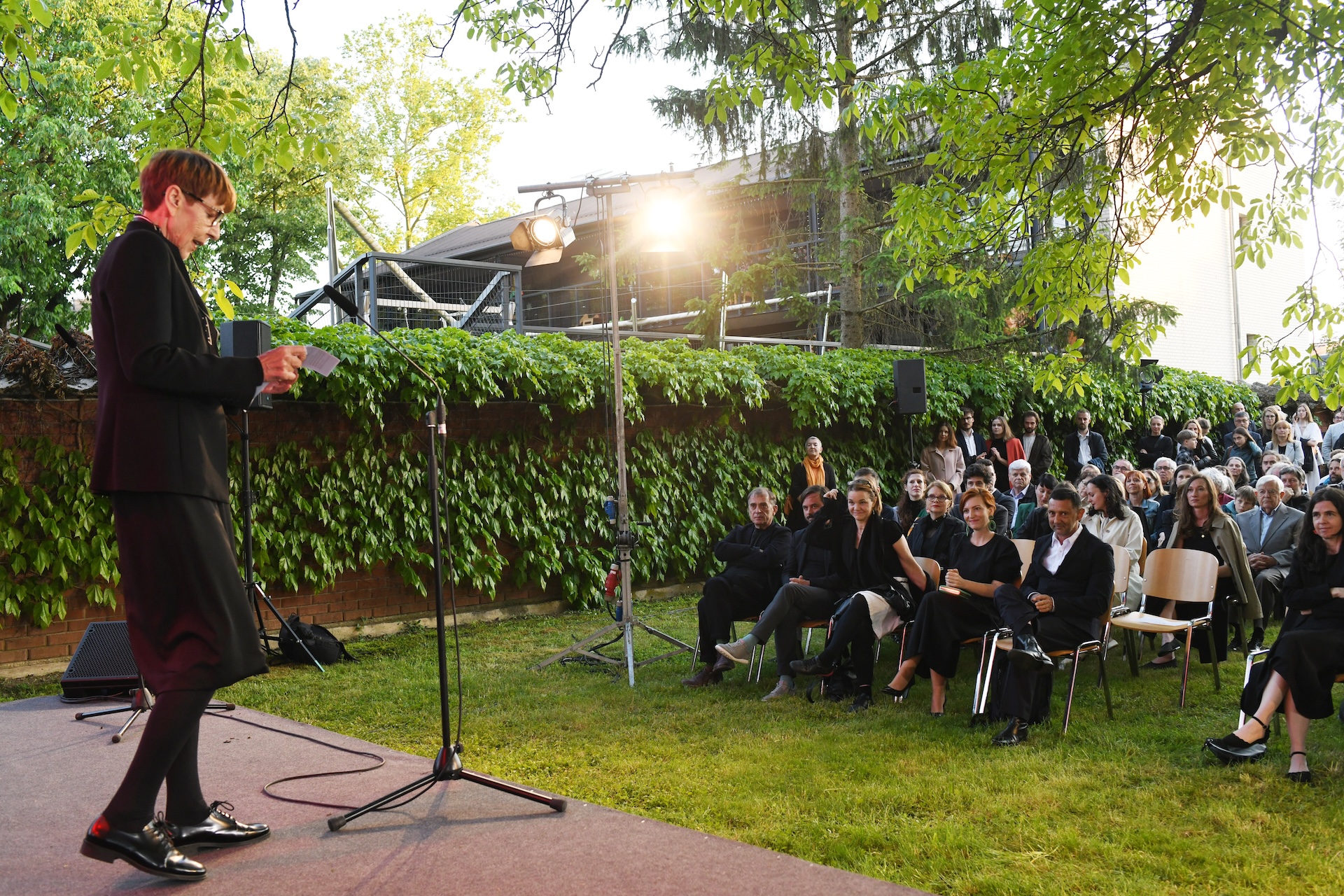
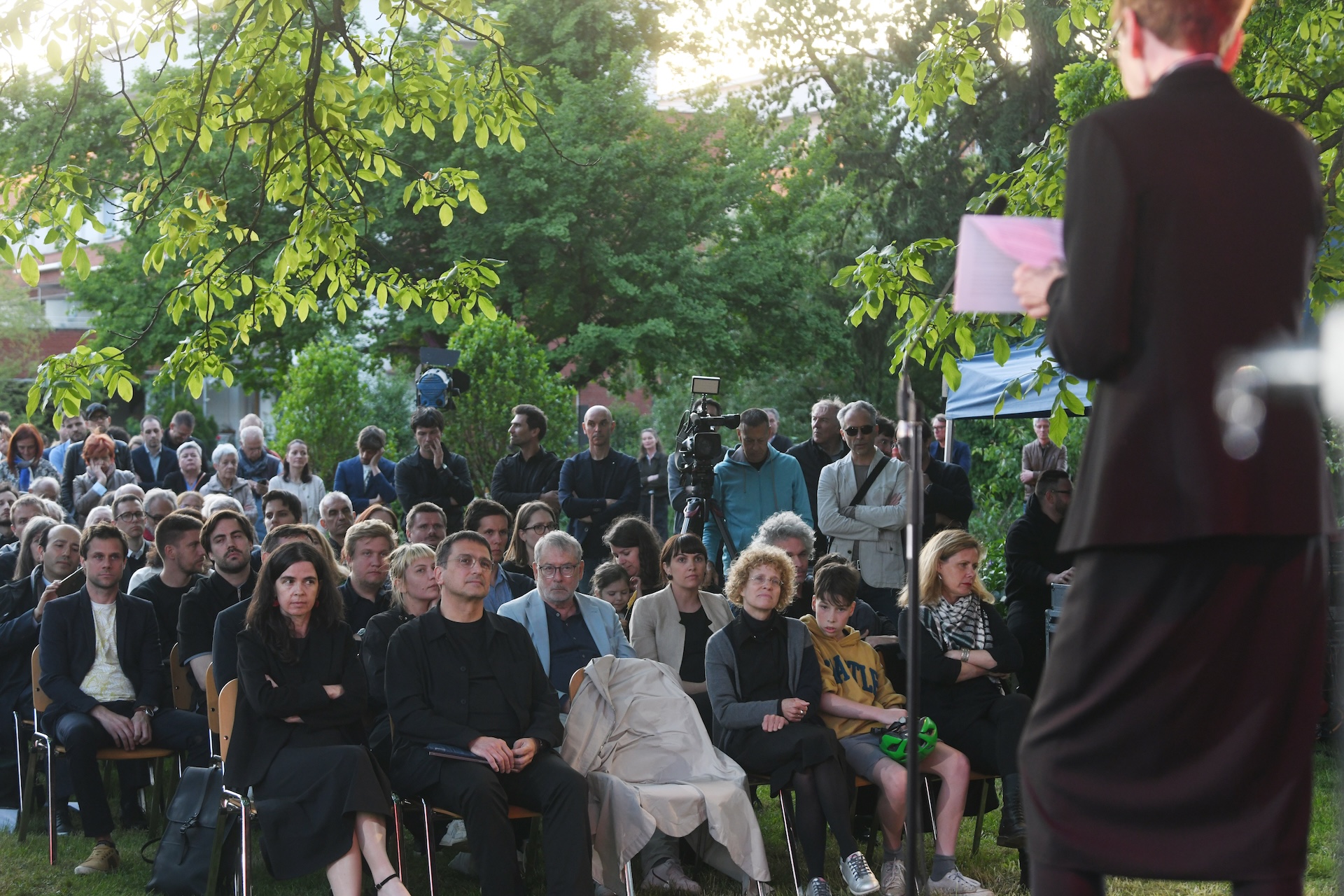
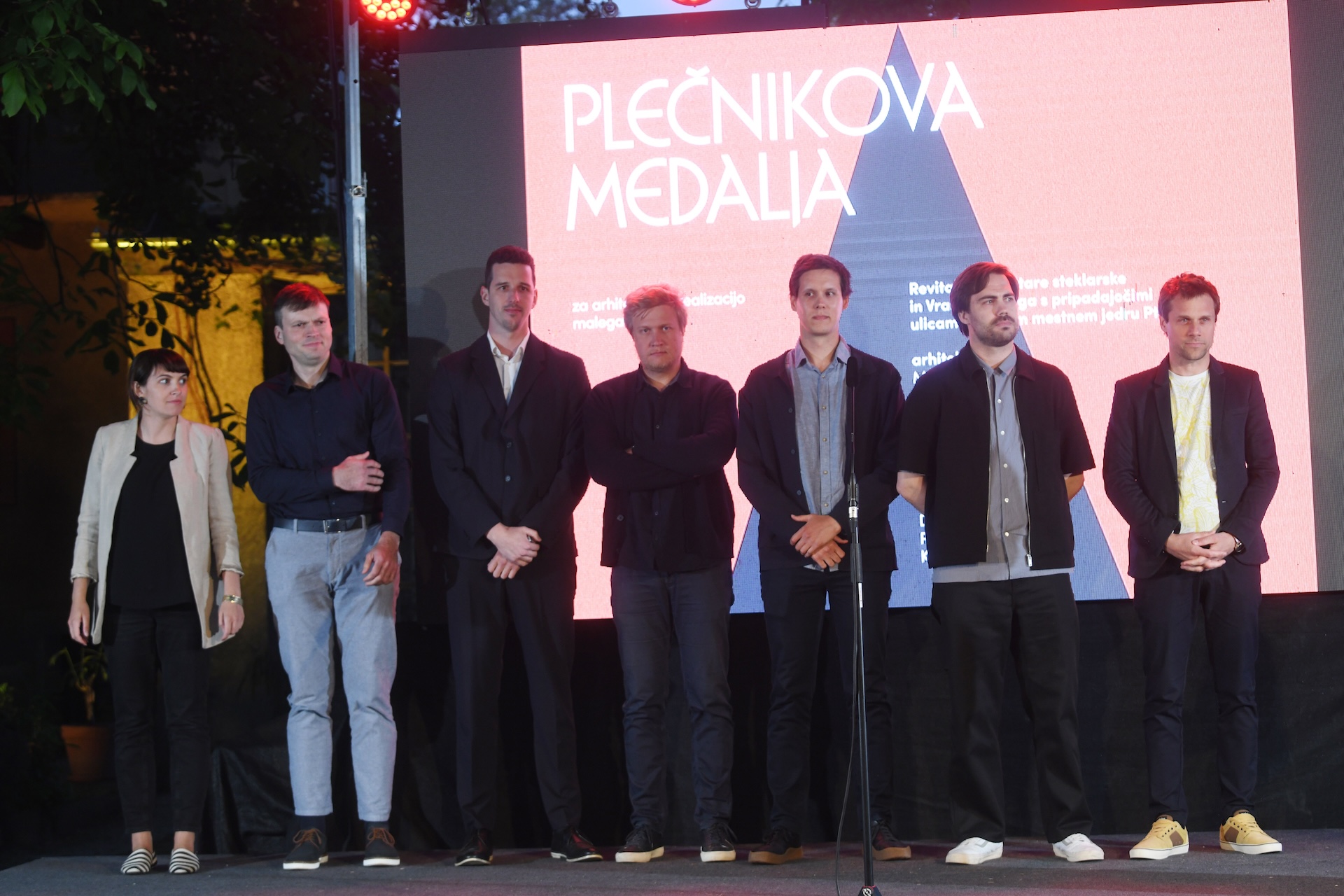
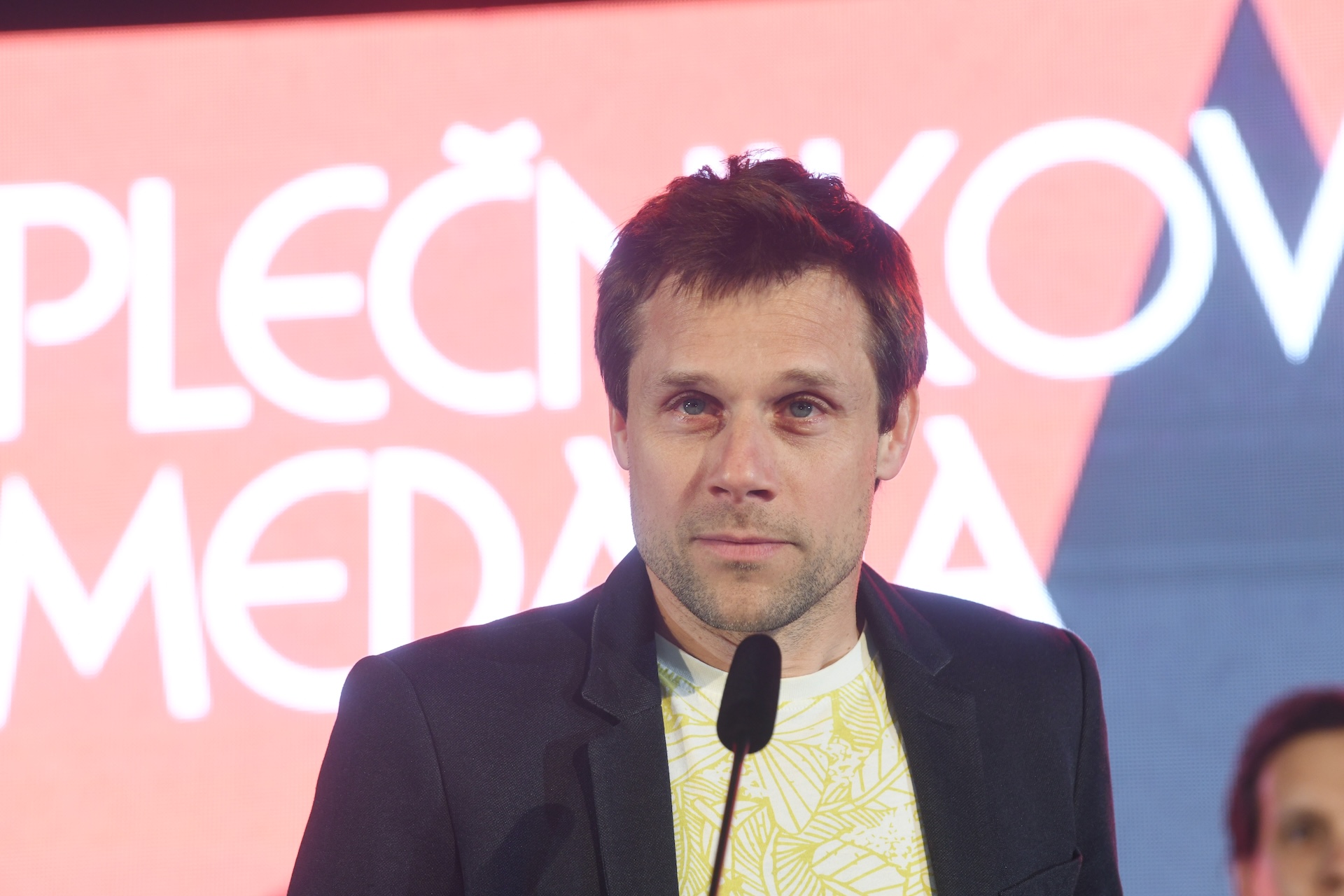
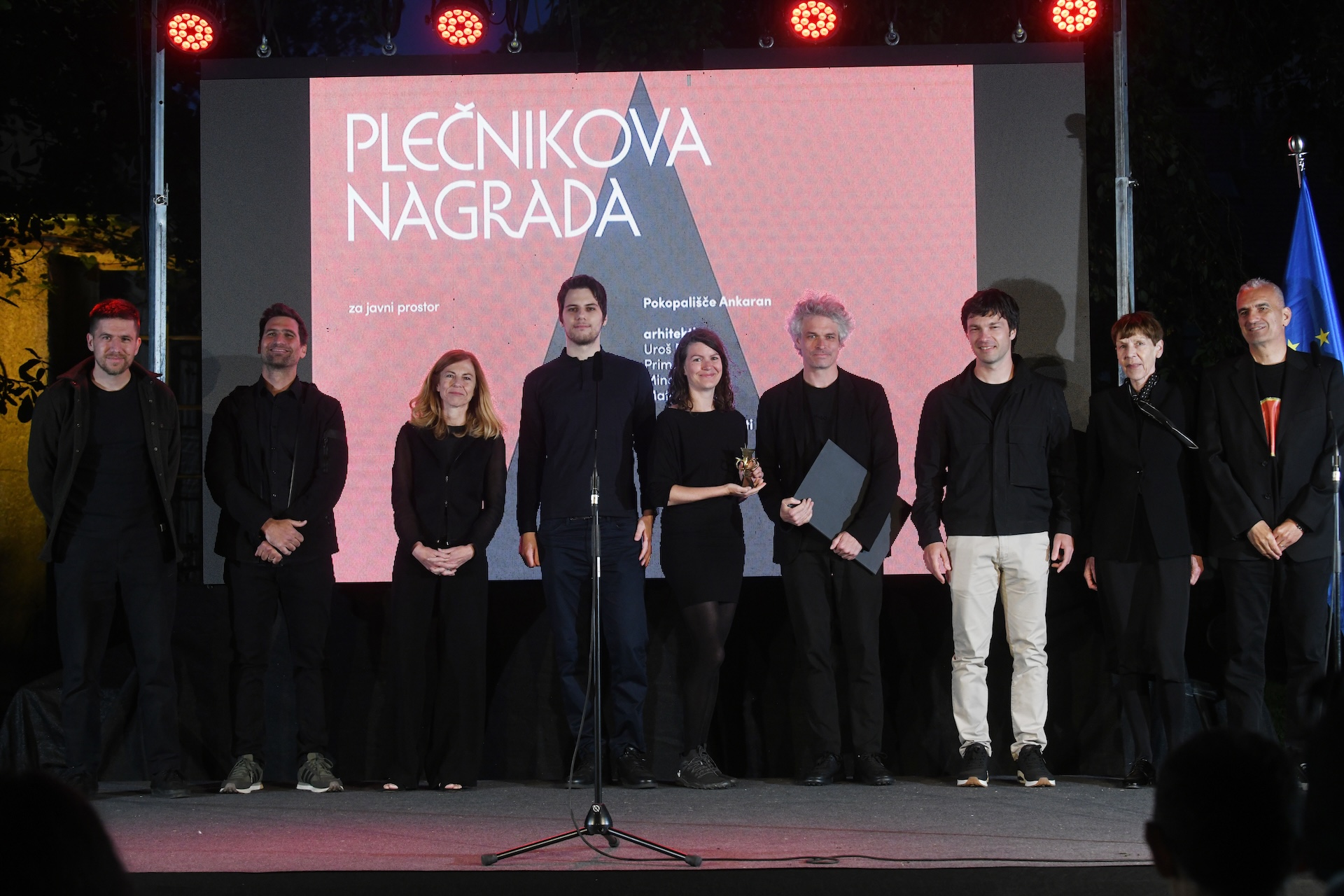
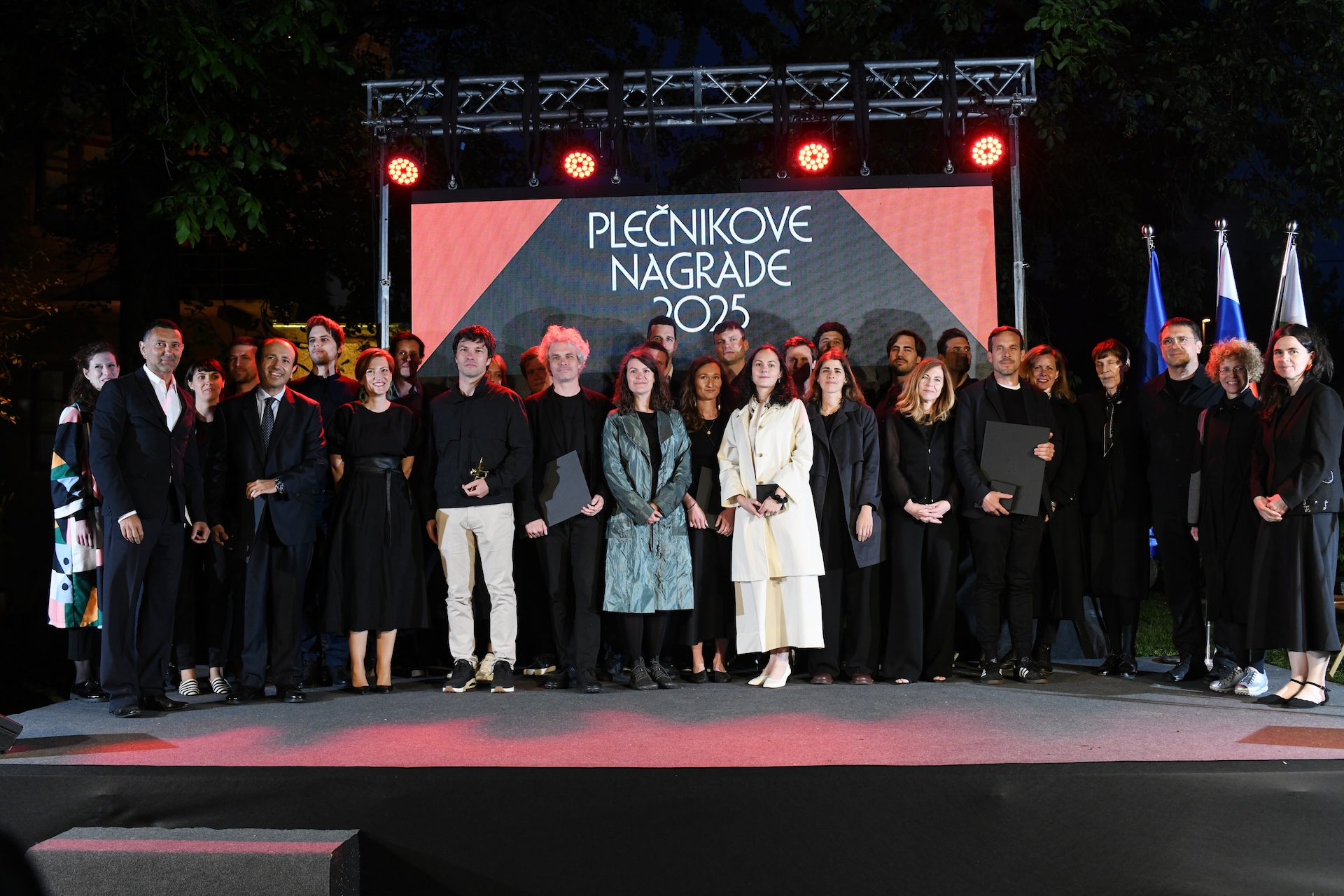
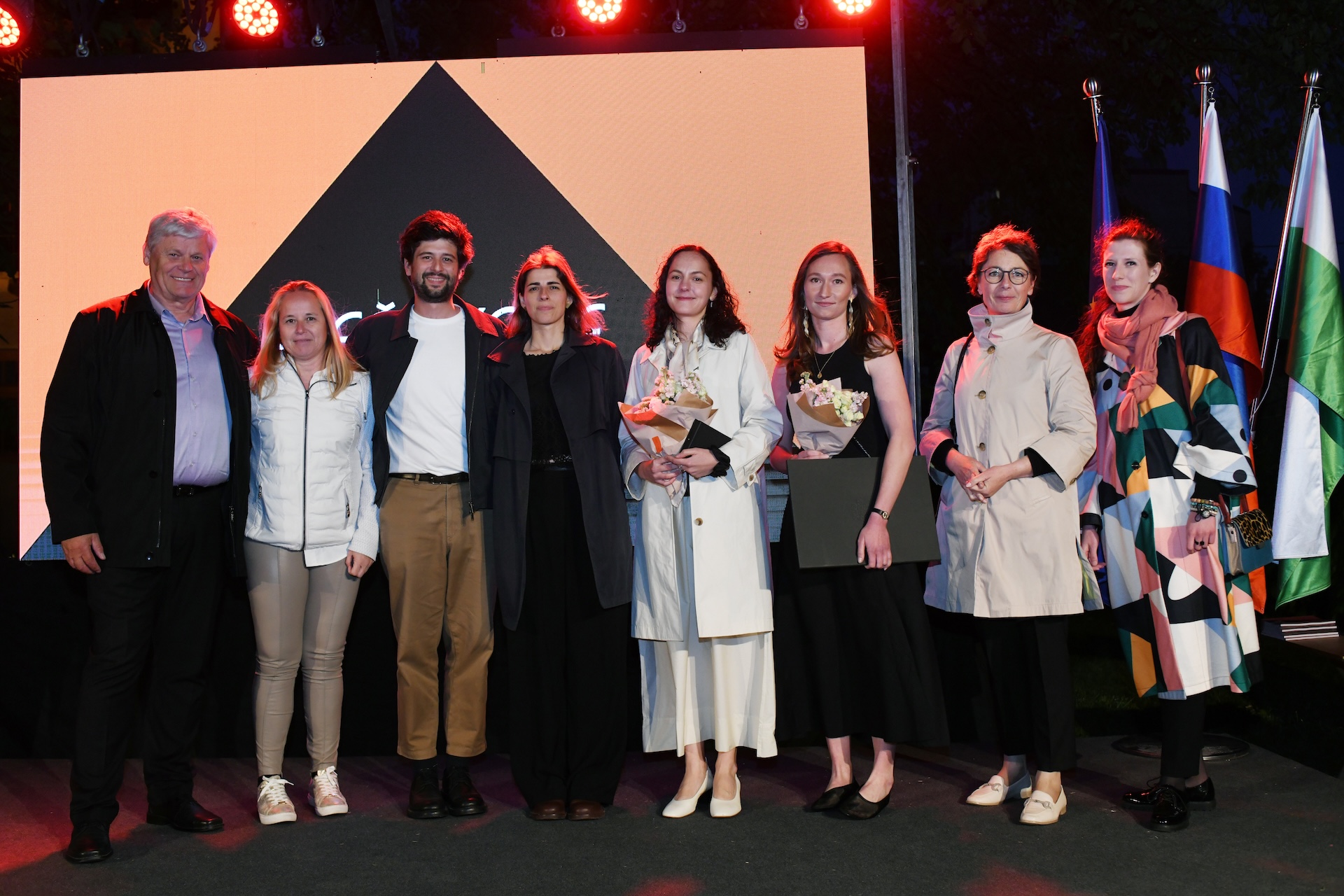
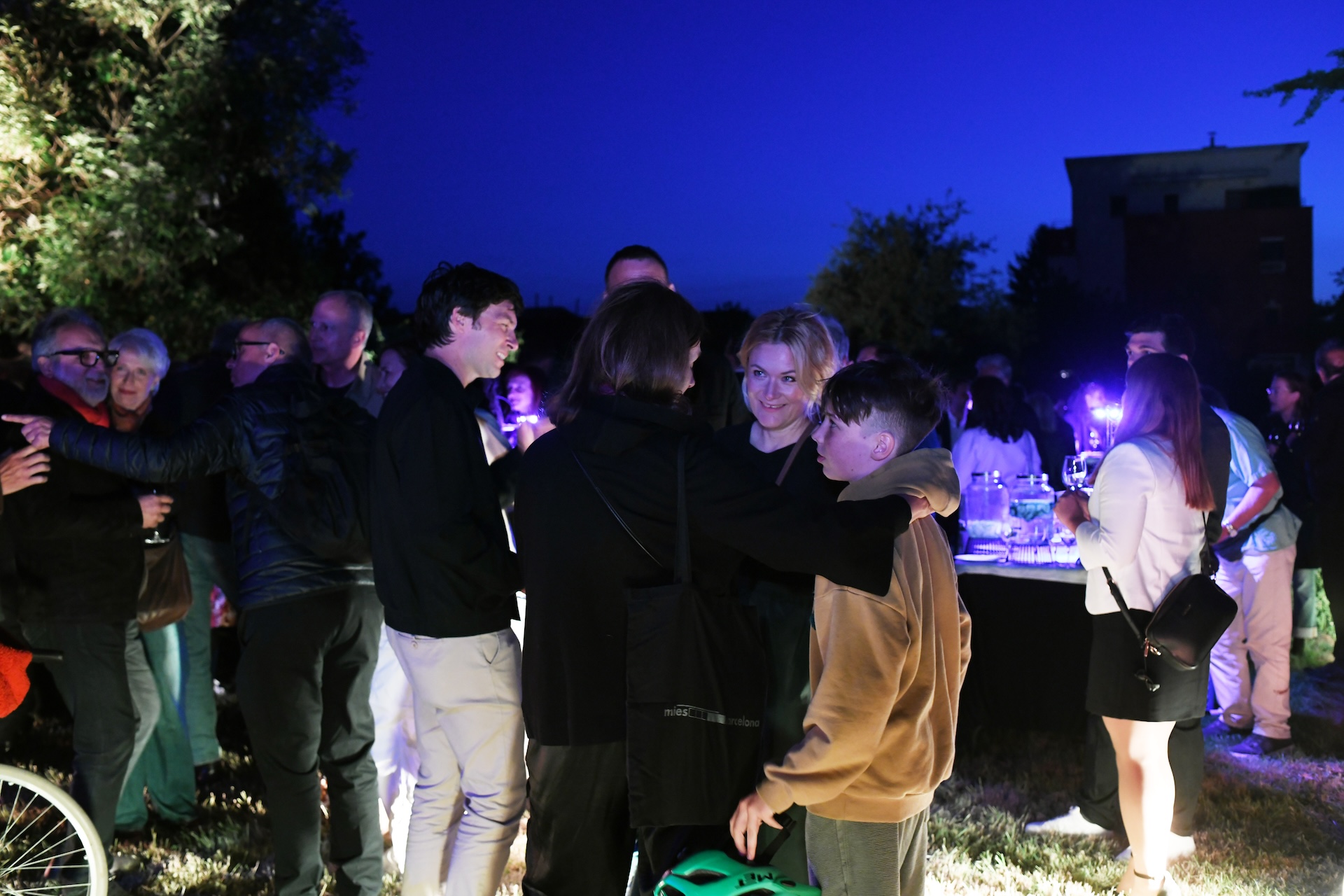
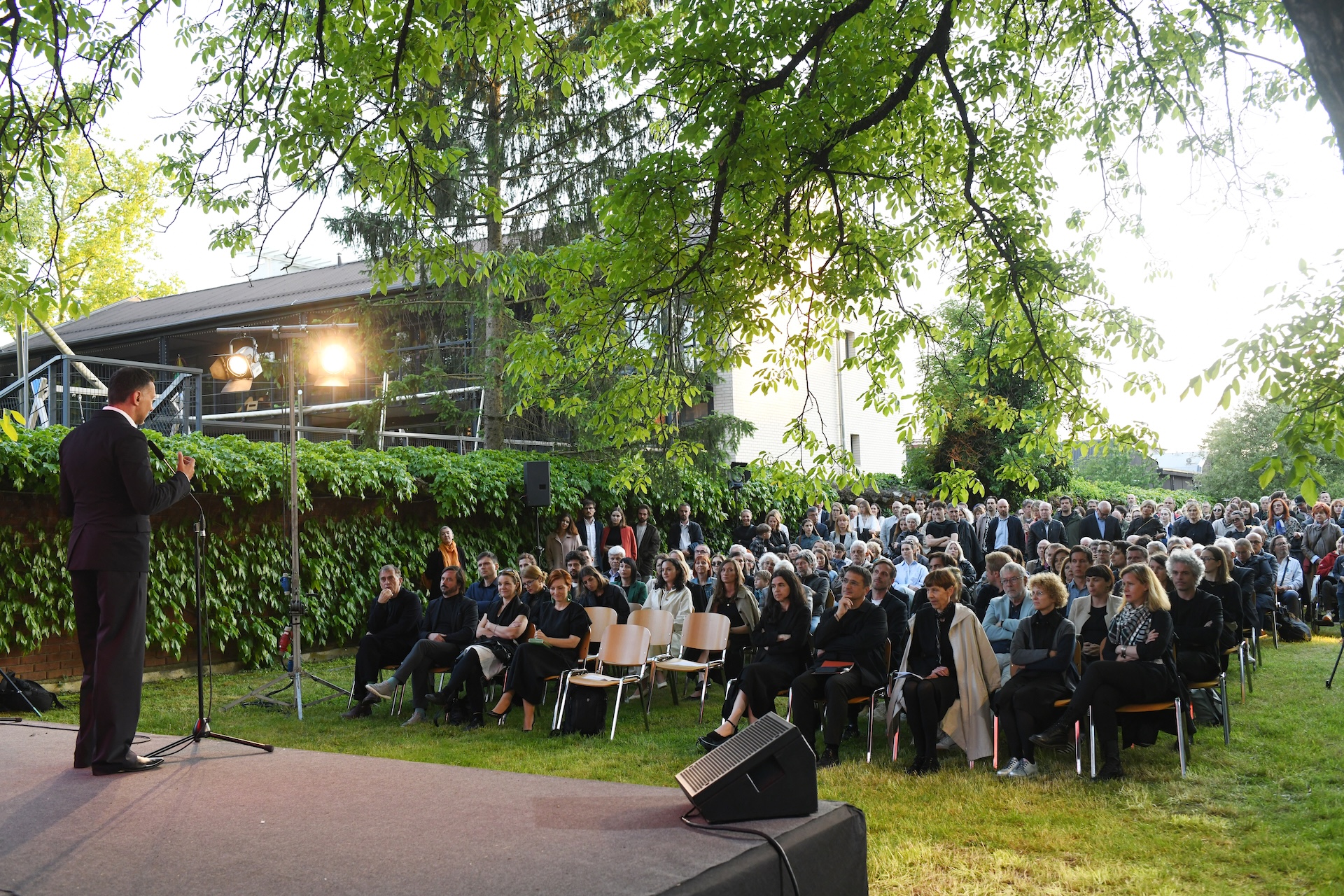
On Monday 19th May 2025 in a solemn ceremony in the Plečnik House garden in Karunova Street, Architect Jože Plečnik Fund presented the 2025 Plečnik Awards.
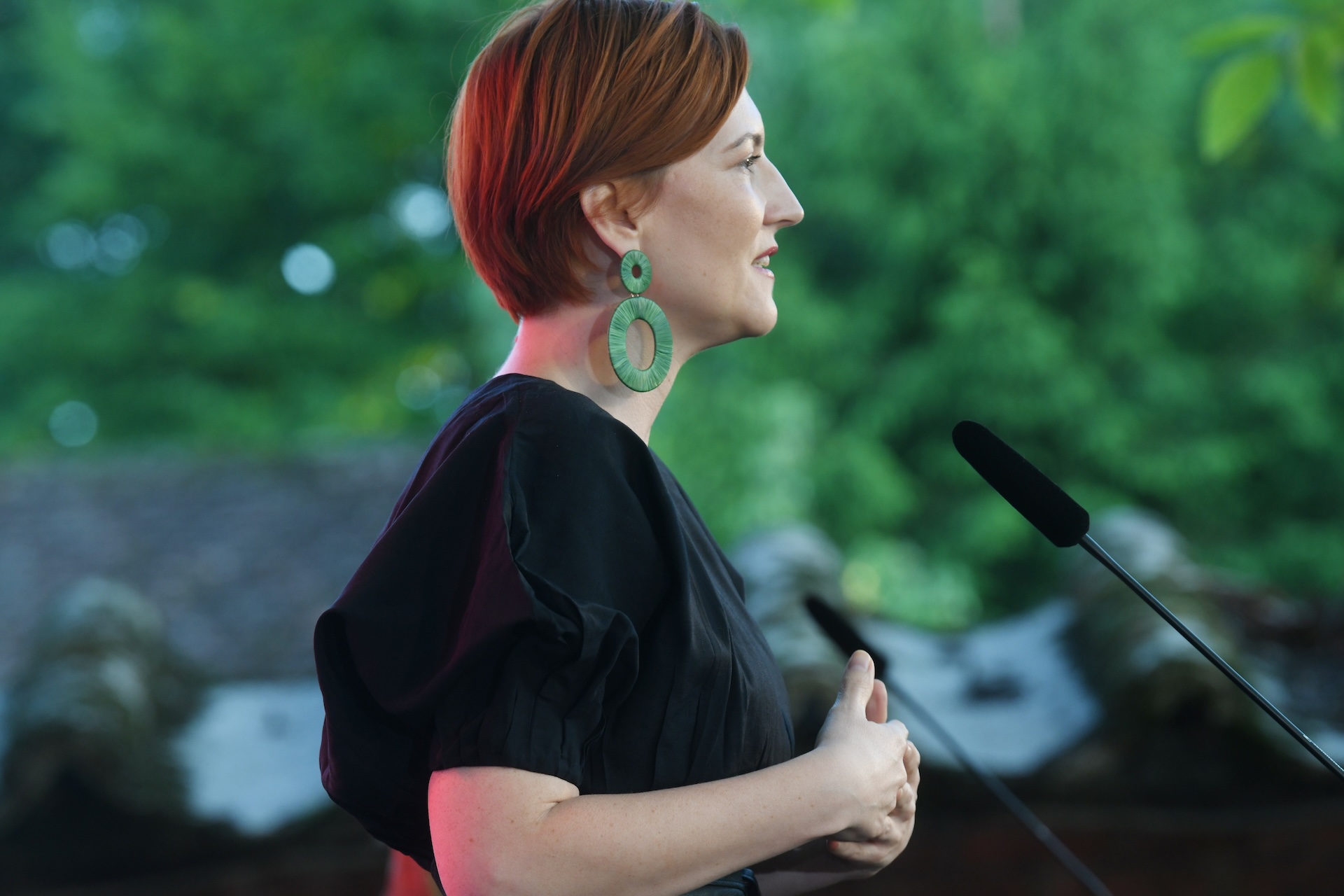
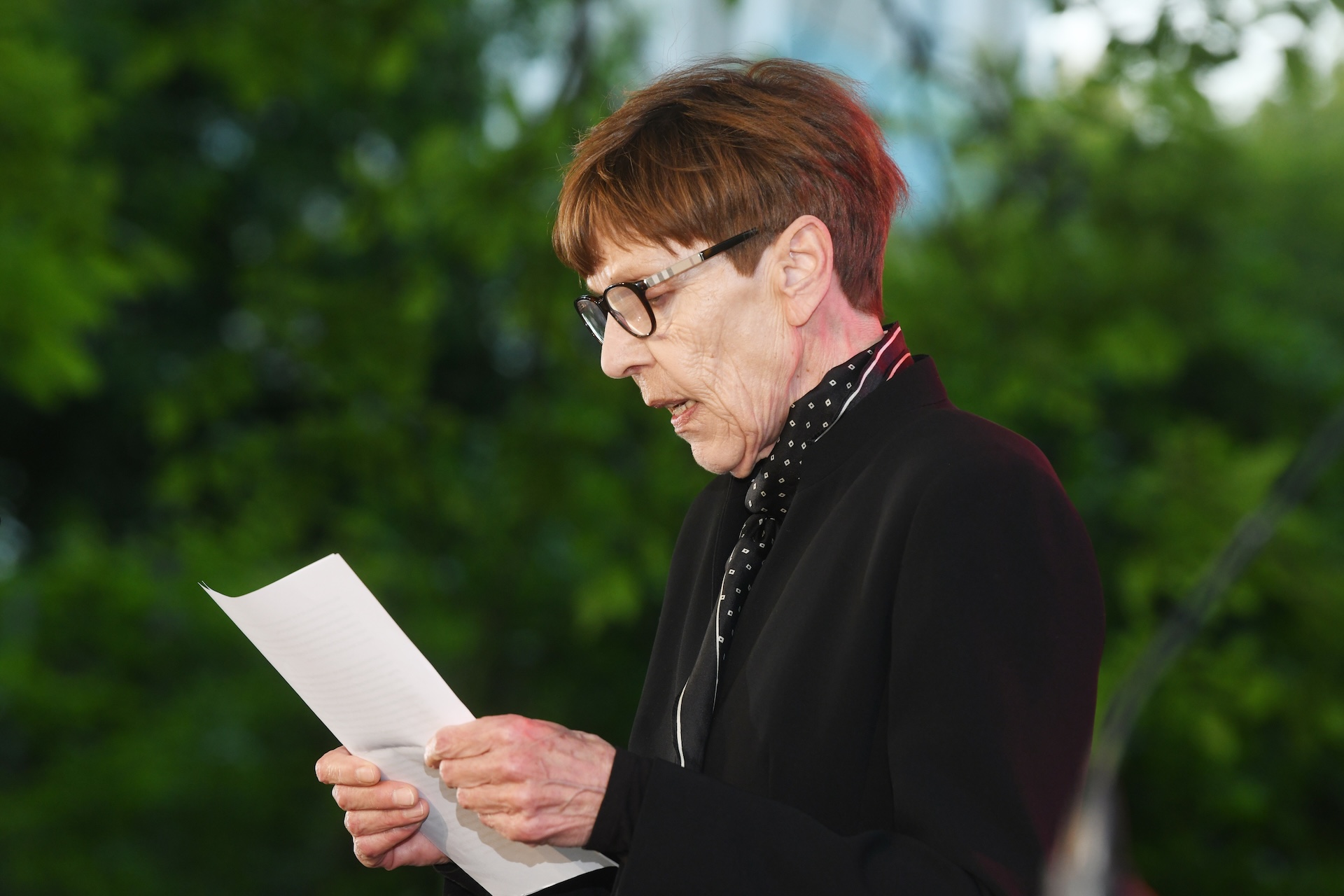
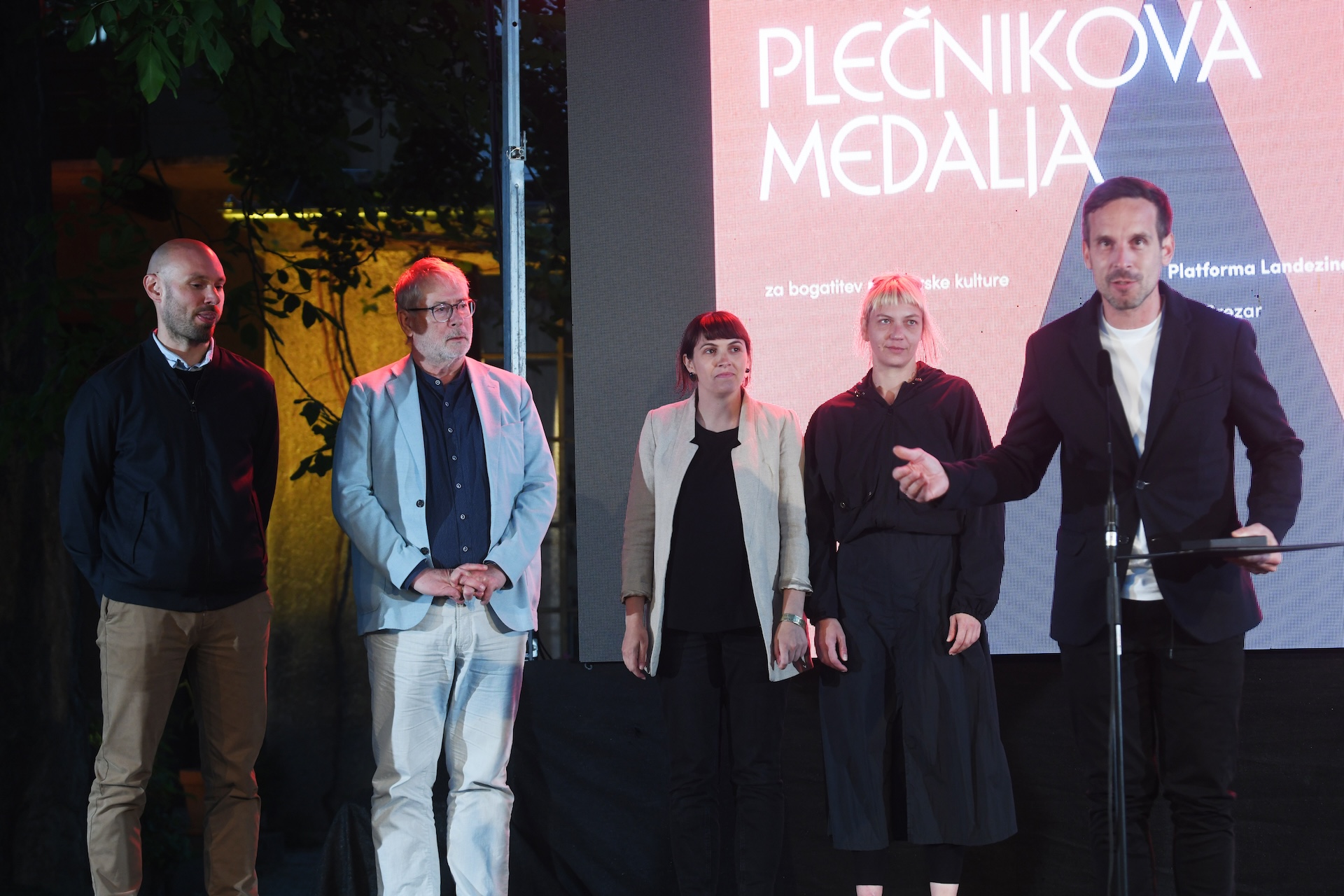
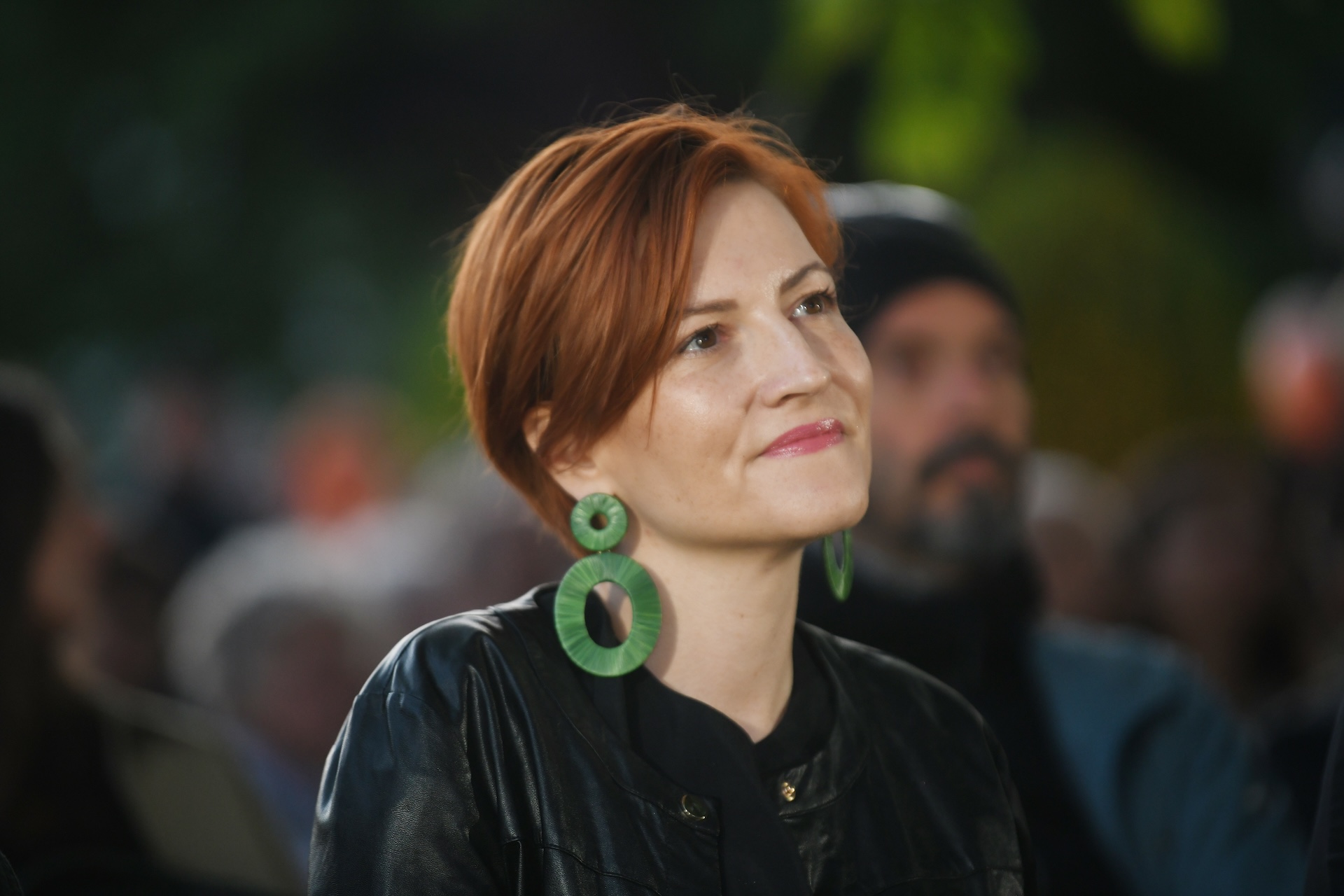
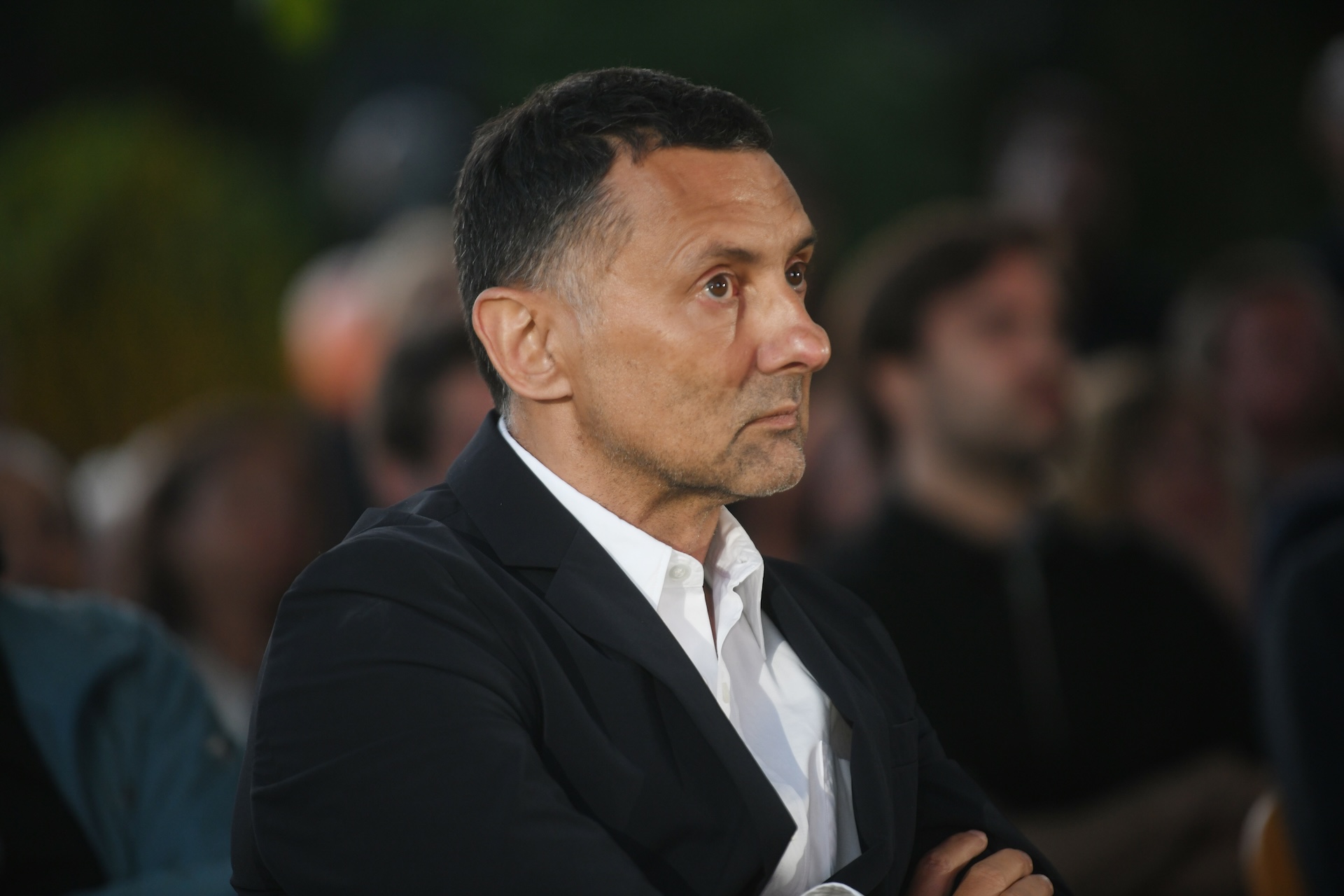
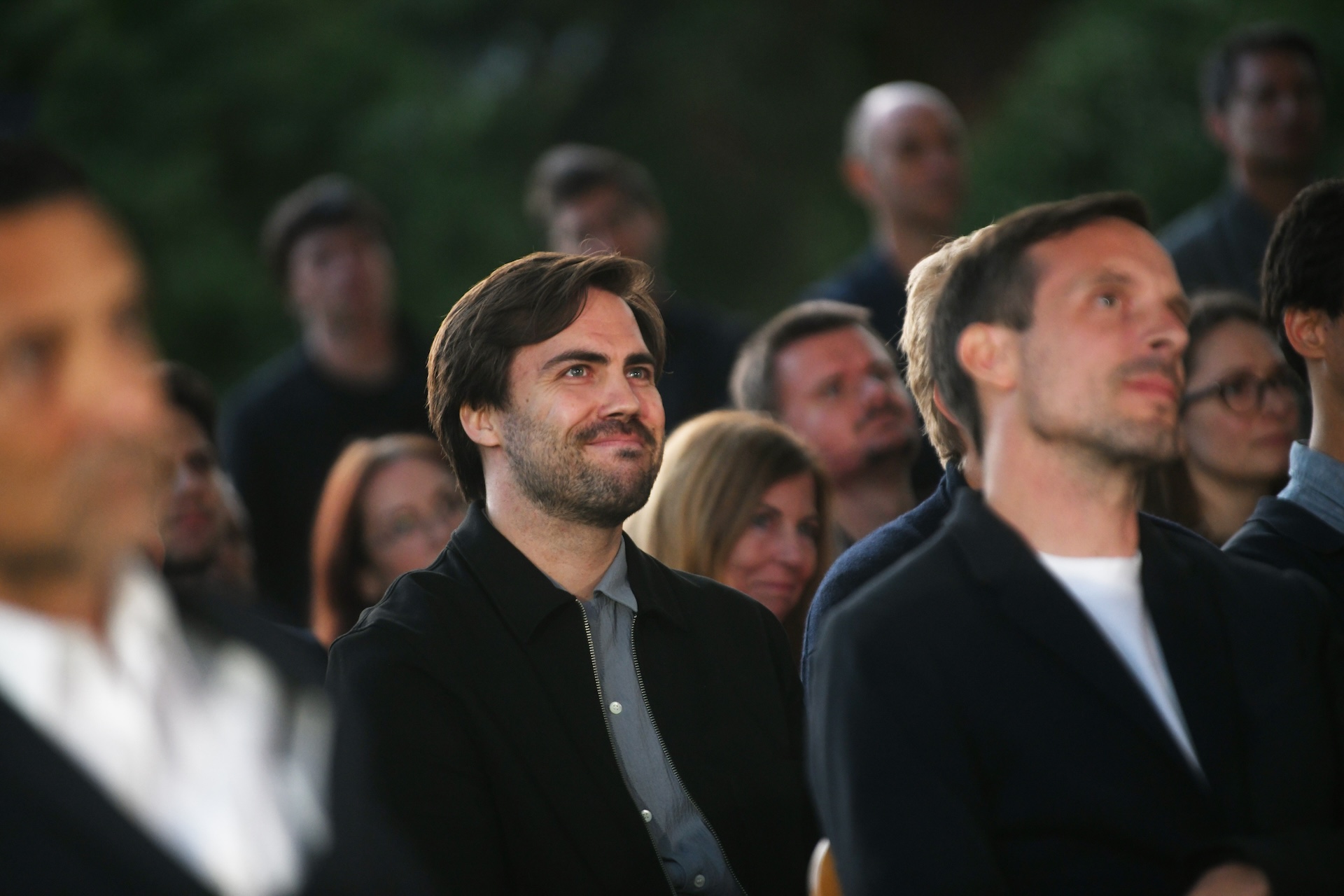
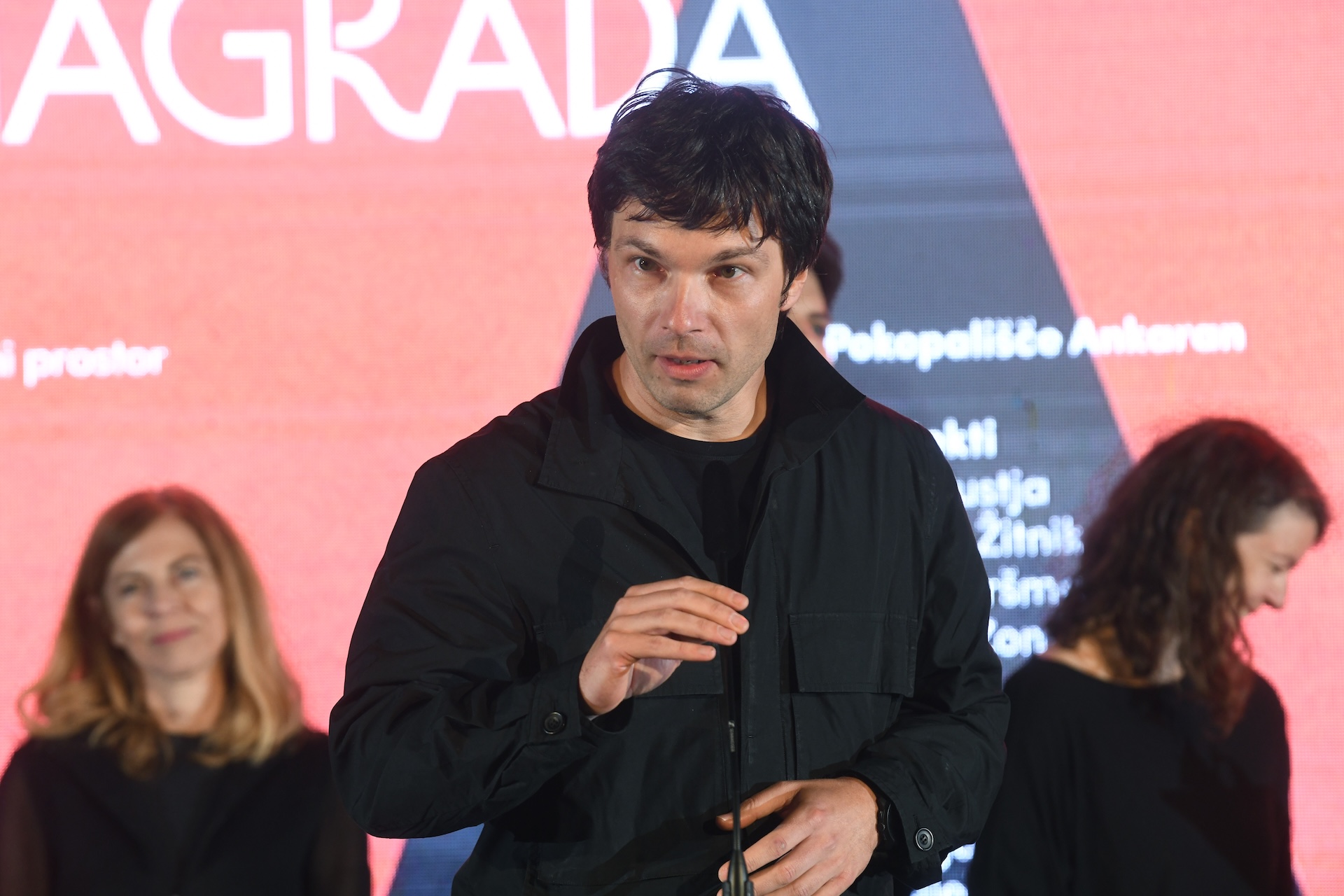
The awards were presented in the pleasant, relaxed, spring-like atmosphere of the garden at Plečnik House by the chair of the jury, Prof. Ilka Čerpes. The keynote speaker was the Minister of Culture, Dr. Asta Vrečko. Prof. Boštjan Vuga, Chairman of the Board of the Jože Plečnik Fund, also addressed the guests and award recipients in his opening remarks, followed by a substantive address by the chair of this year’s jury, Prof. Ilka Čerpes. The Deputy Mayor of the City of Ljubljana, Rok Žnidaršič, invited all those gathered to the opening of the exhibition “The Magnitude of Architecture – Artifacts” on the first floor of Plečnik House, as well as to a relaxed garden reception and the traditional professional gathering of award recipients, architects, and friends and supporters of architecture.
“The Plečnik Awards are Slovenia’s premier national honors for the highest-quality projects in the fields of architecture, urban planning, landscape architecture, and interior design, completed within the territory of the Republic of Slovenia over the past three calendar years. Since 1973, the presentation of these awards has served both as a continuous re-evaluation of Plečnik’s work and as a means of proactively guiding the development of architectural practices.
The awards are named after the architect Jože Plečnik, whose influence extends not only beyond the geographical borders of Slovenia but also beyond the boundaries of the architectural discipline. His works represent an enhancement of the physical context and, in connection with the existing, create new value in the built environment. Plečnik’s works transcend scale.
Let us therefore dare to think and act on a grand scale, even if on a small scale! Let us dare to establish a new standard! Let us dare to take risks, even if we might make a mistake in the process! Let us dare to doubt! Let us dare to show that through our actions we are not merely creators of space, but of entire societies! Such boldness should also characterize the Foundation’s future work.”
Boštjan Vuga, from the opening address at the 2025 Plečnik Awards ceremony
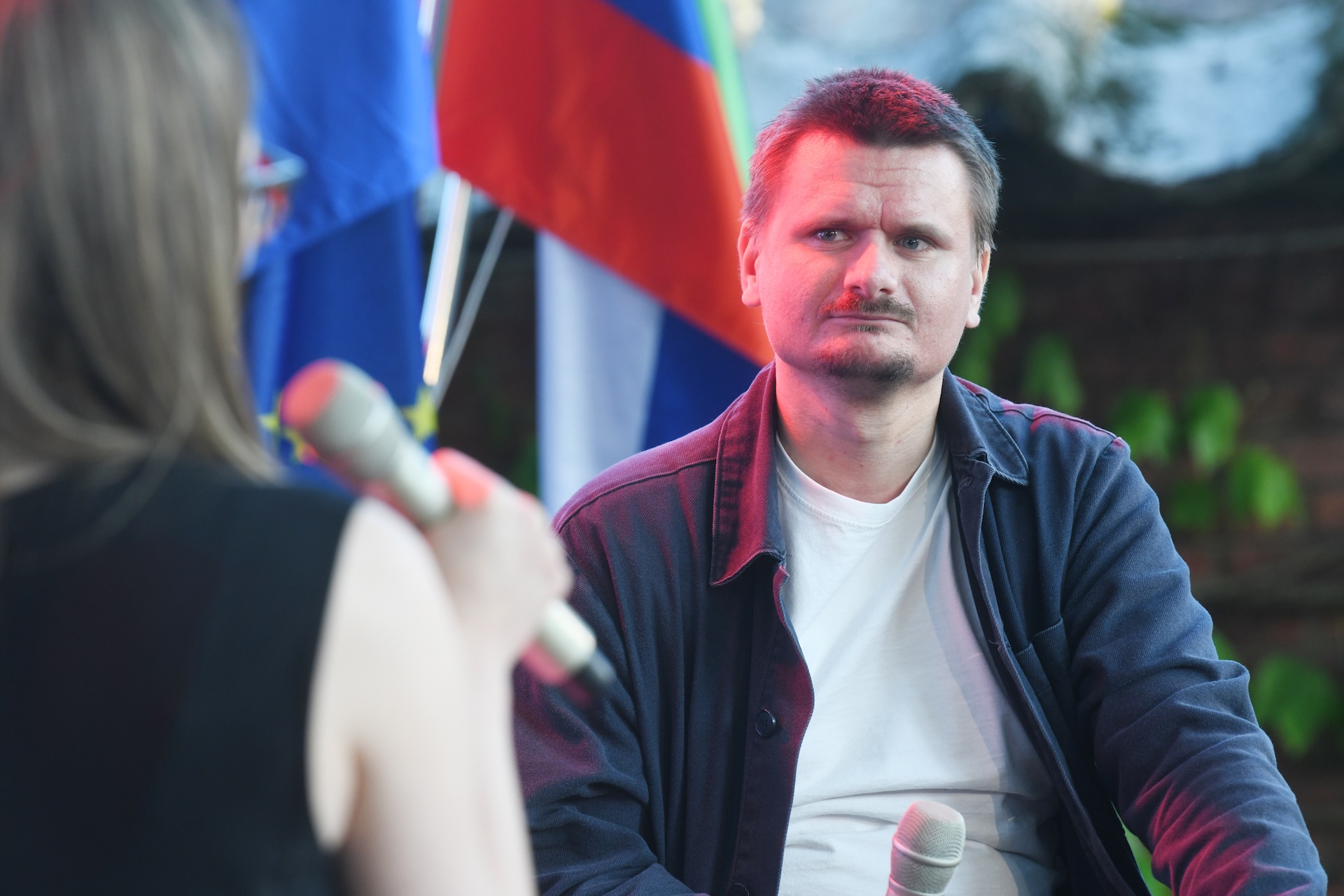
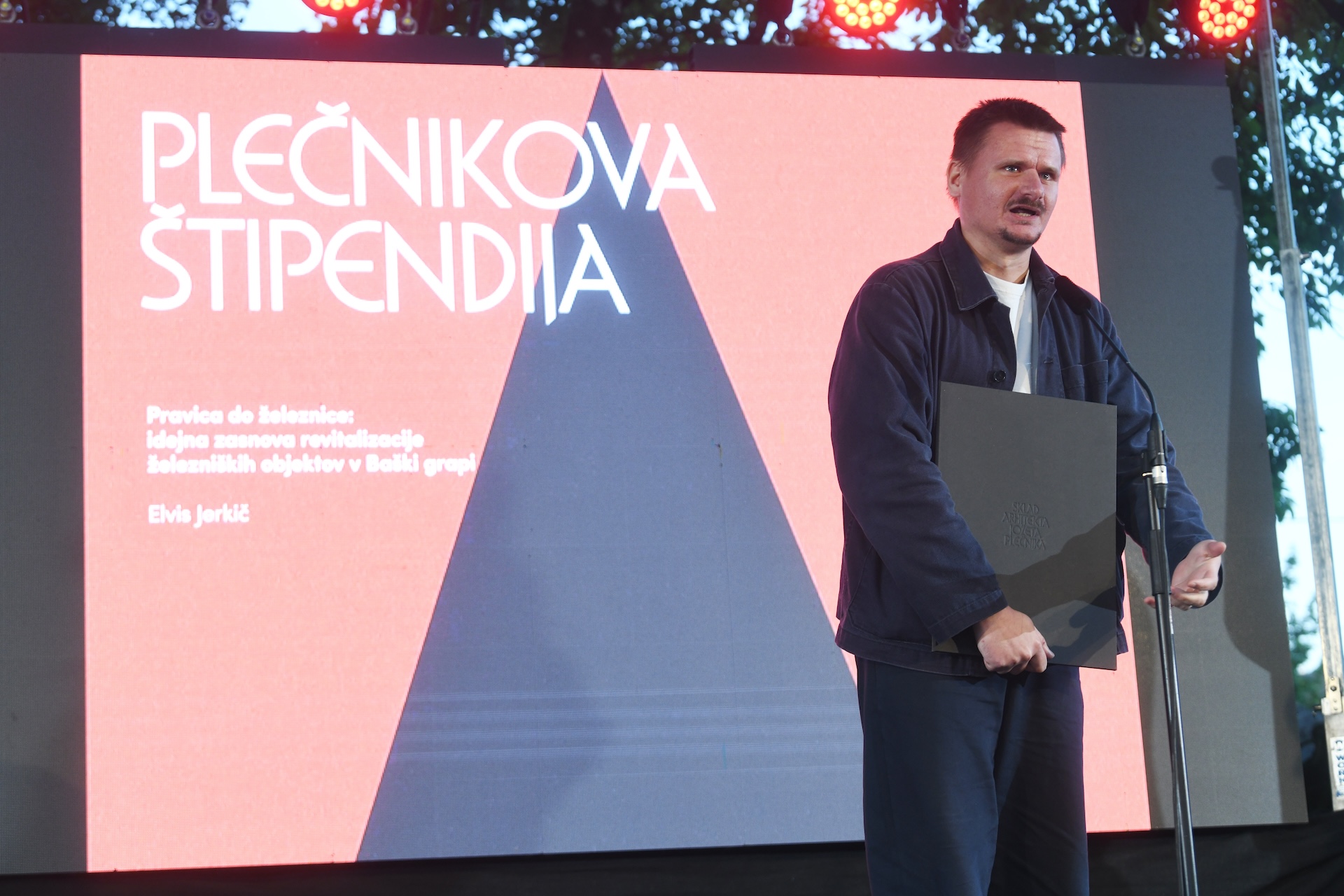
The gala event opened with a presentation of the development of last year’s scholarship recipient Neža Brankovič’s award-winning project, which she presented in dialogue with this year’s recipient of the Plečnik Fund scholarship, Elvis Jerkič. The stage then featured a series of guest speakers delivering ceremonial addresses as a prelude and context to the presentation of awards for the most outstanding architectural projects. Once again this year, the awardees and their works were presented in film format—through the documentary film Merilo, directed by Matevž Jerman and with cinematography by Rok Kajzer Nagode. The two-evening program of the awards ceremony, exhibitions, and roundtable discussions took place at two venues: in the garden and at Plečnik House, as well as at the DESSA Gallery.
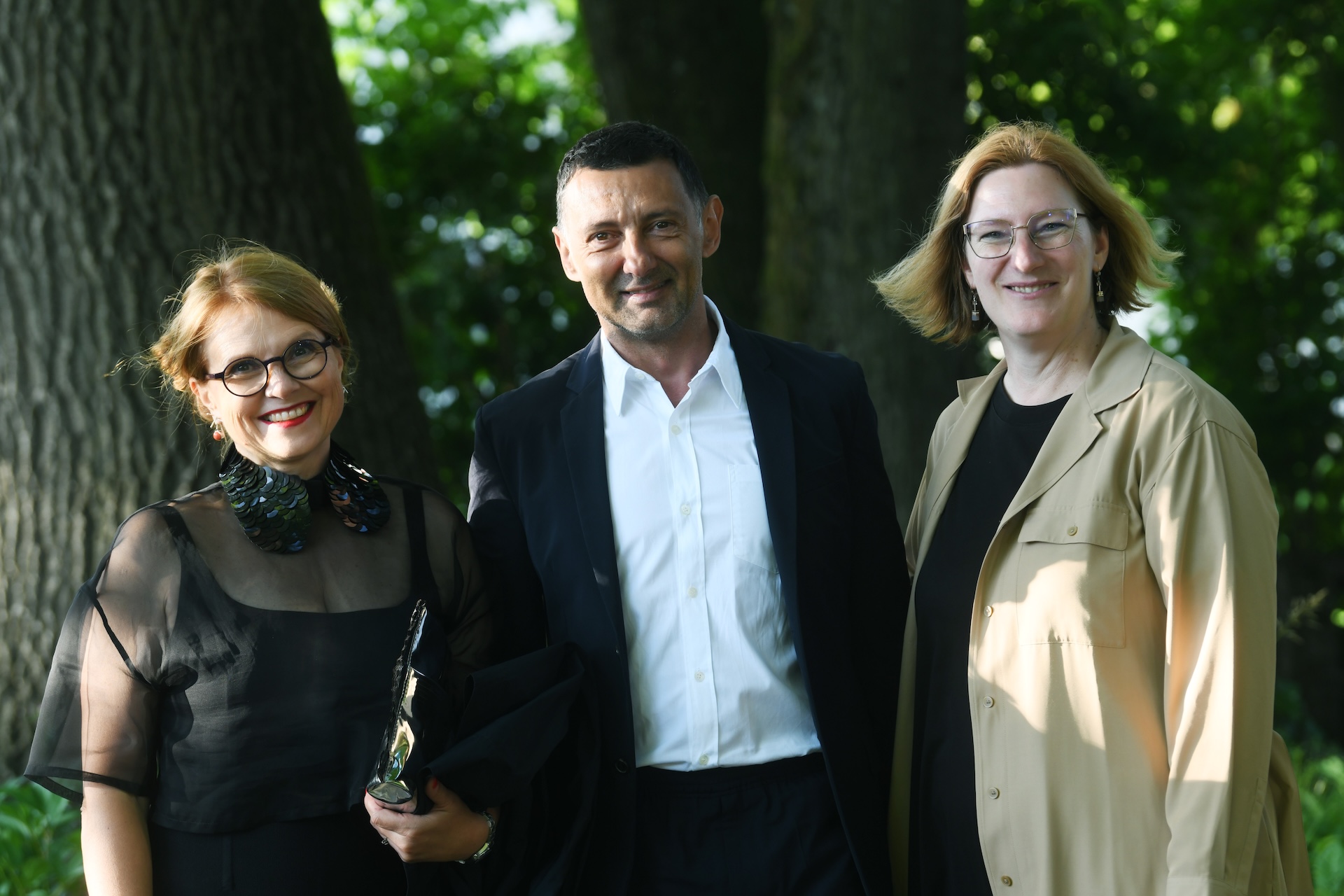
The expert jury, consisting of Ilka Čerpes (chair), Saša Begović, Jerneja Fischer Knap, Nika Grabar, and Urška Kranjc awarded one Plečnik Award, four Plečnik Medals, and one student scholarship in five categories this year: large- and small-scale architectural projects, public space, professional journalism, and enrichment of spatial culture.
photo: Mateja Jordovič Potočnik
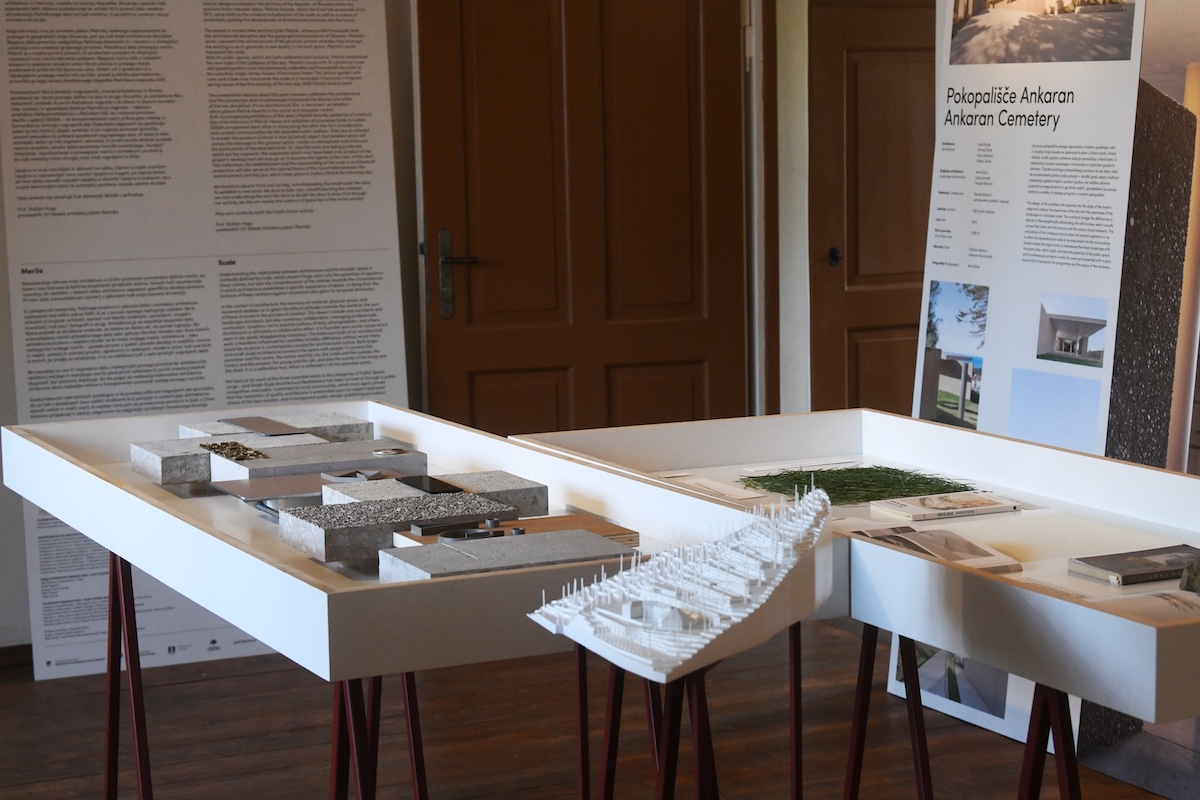
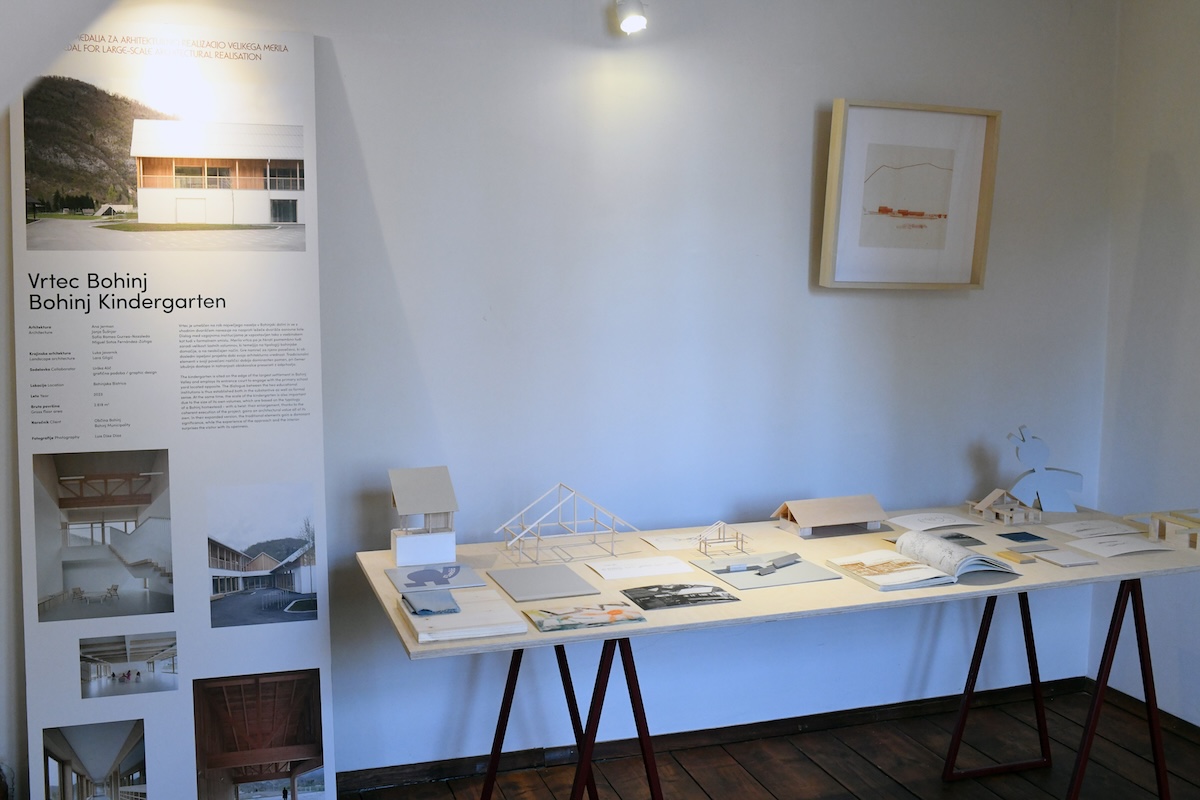
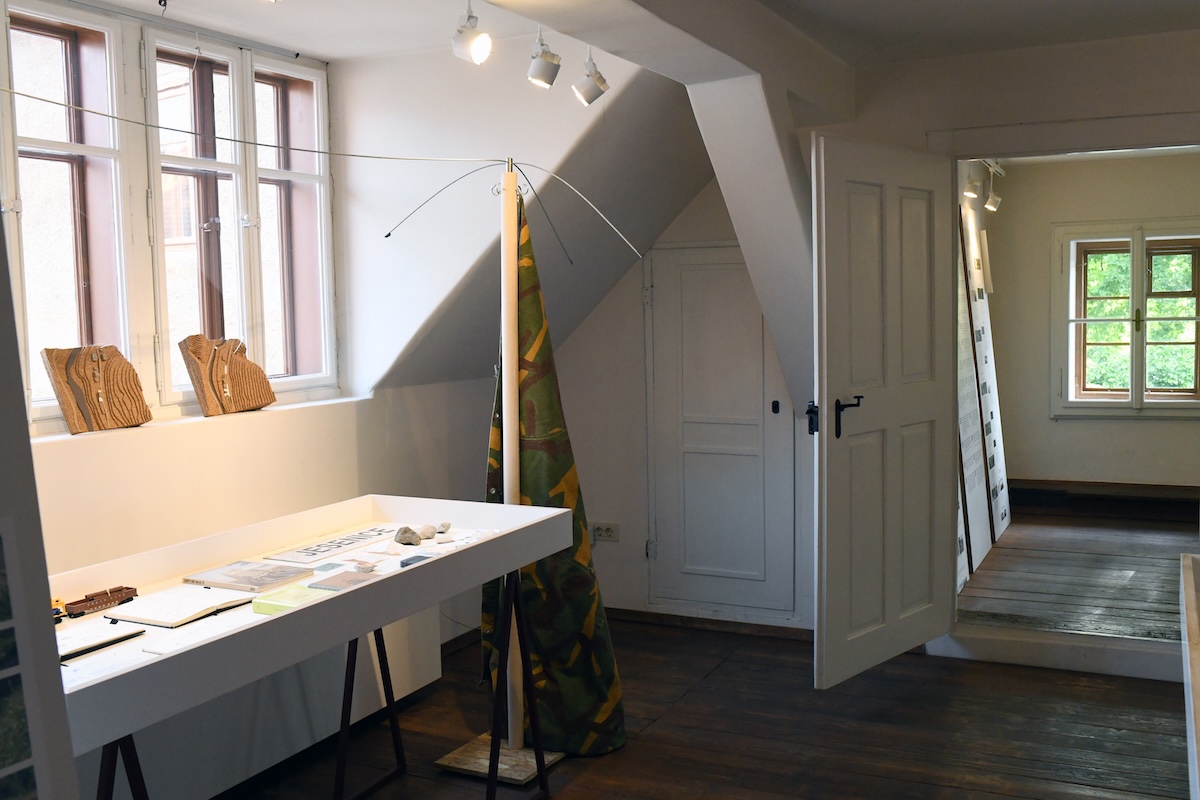
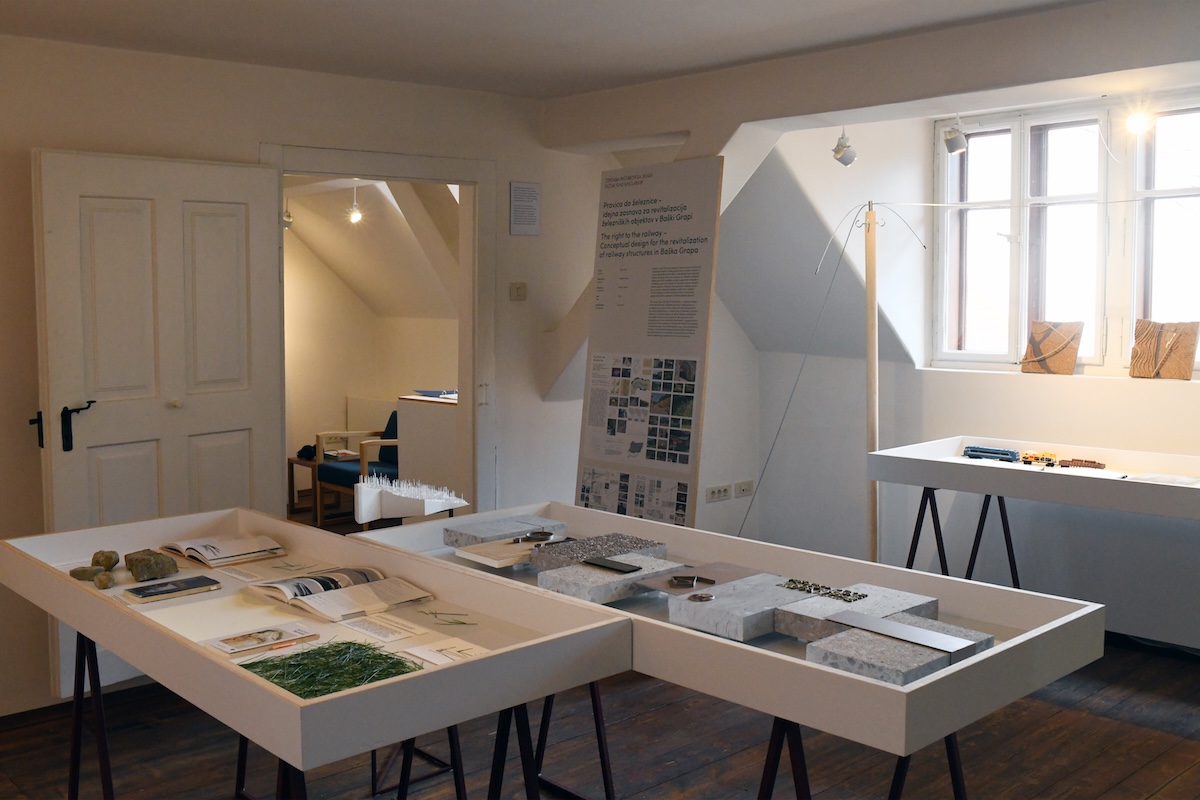
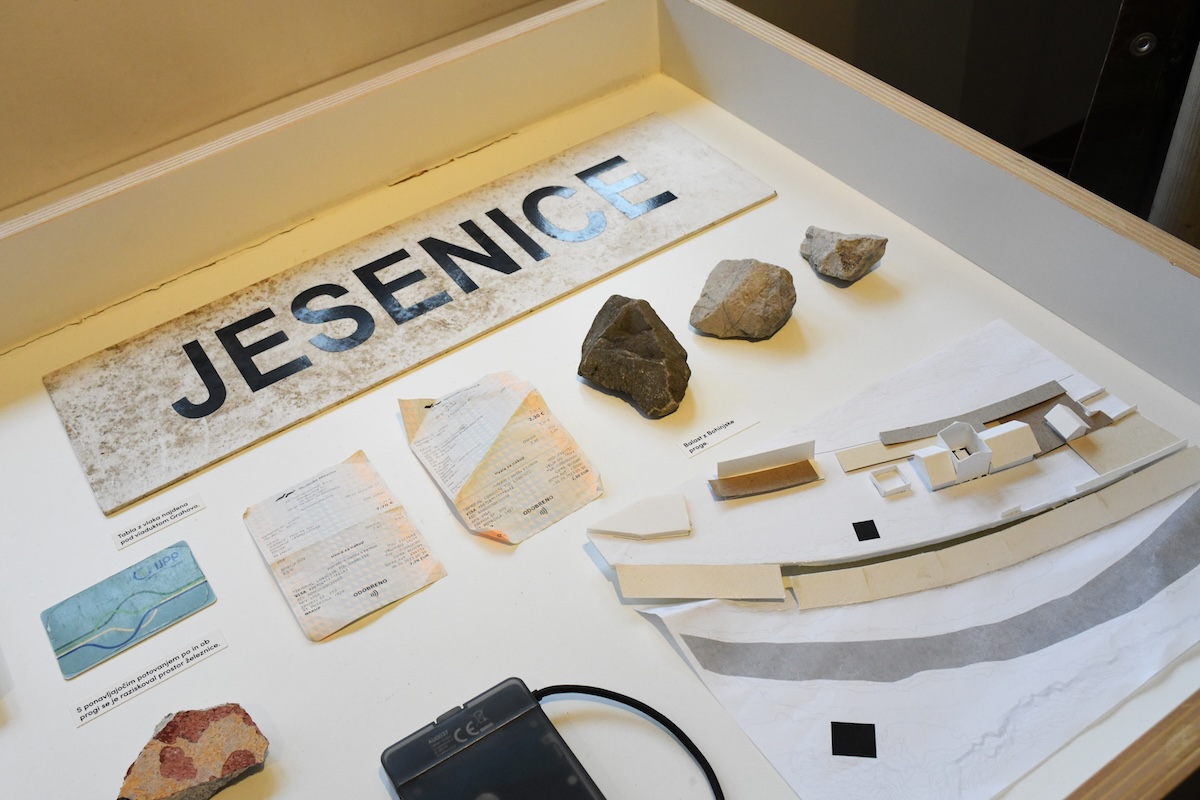
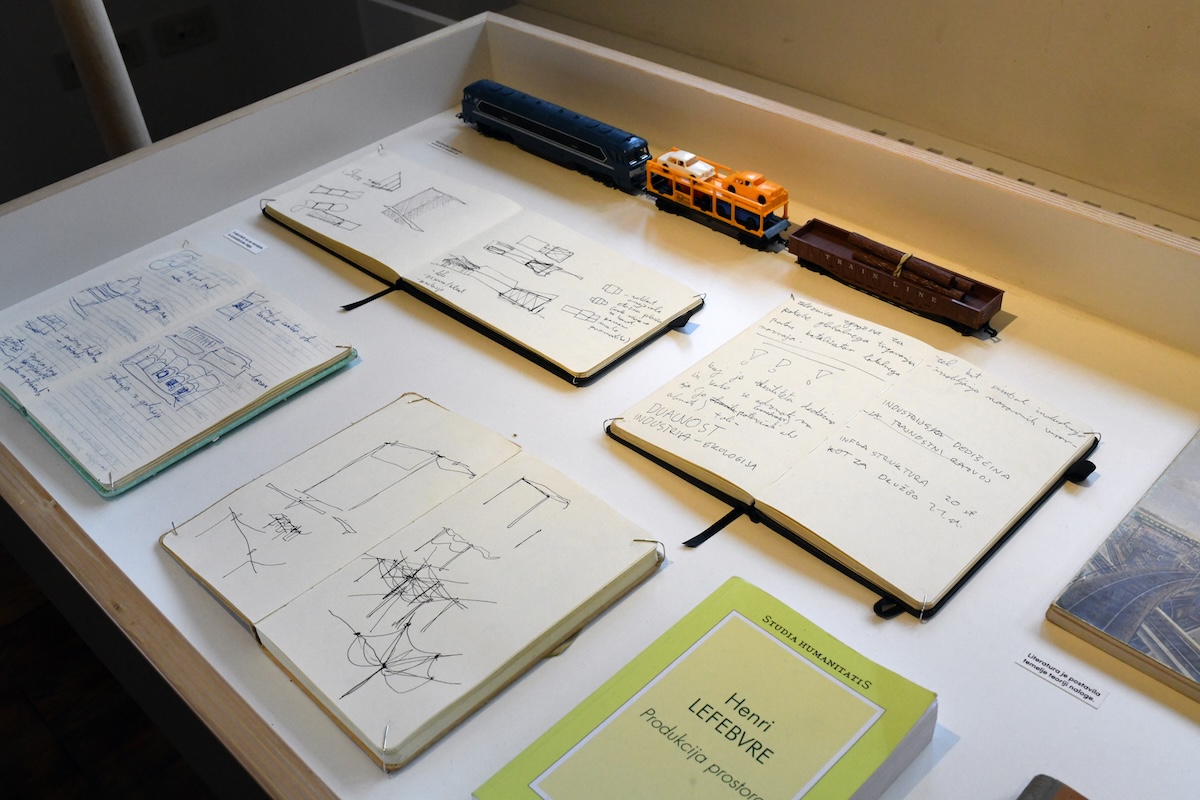
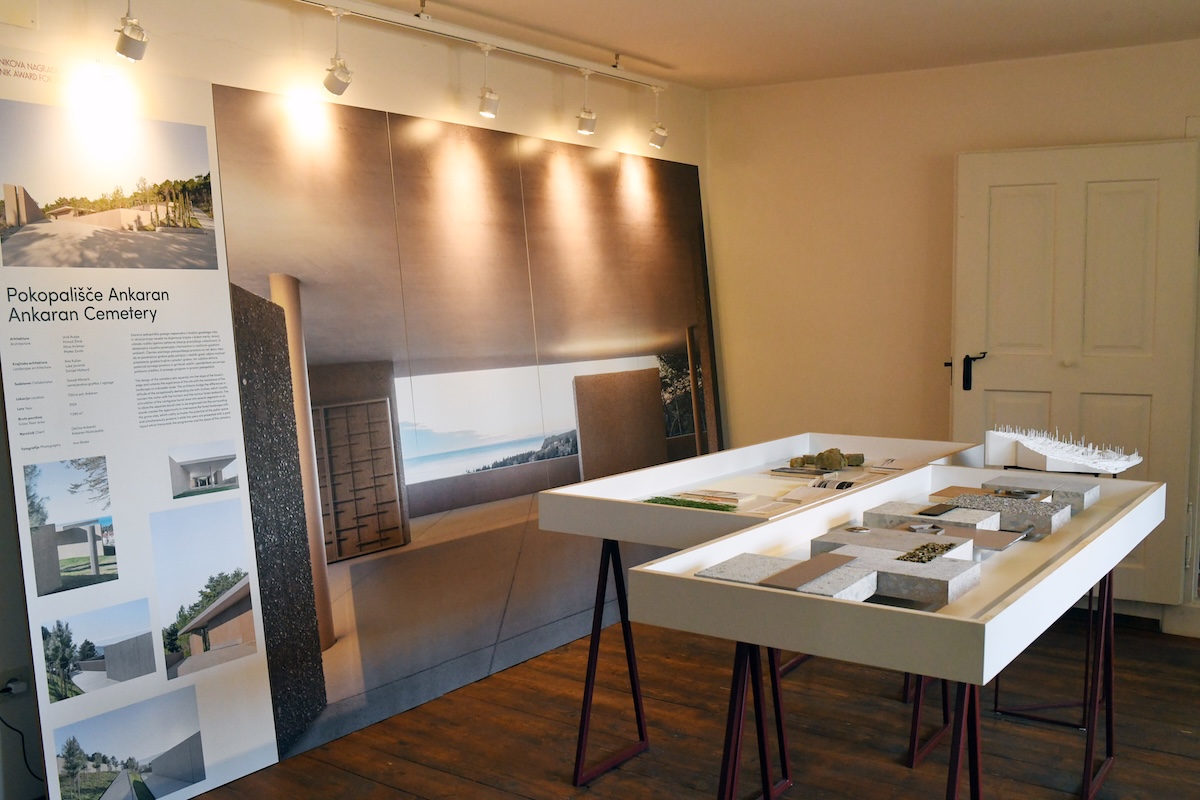
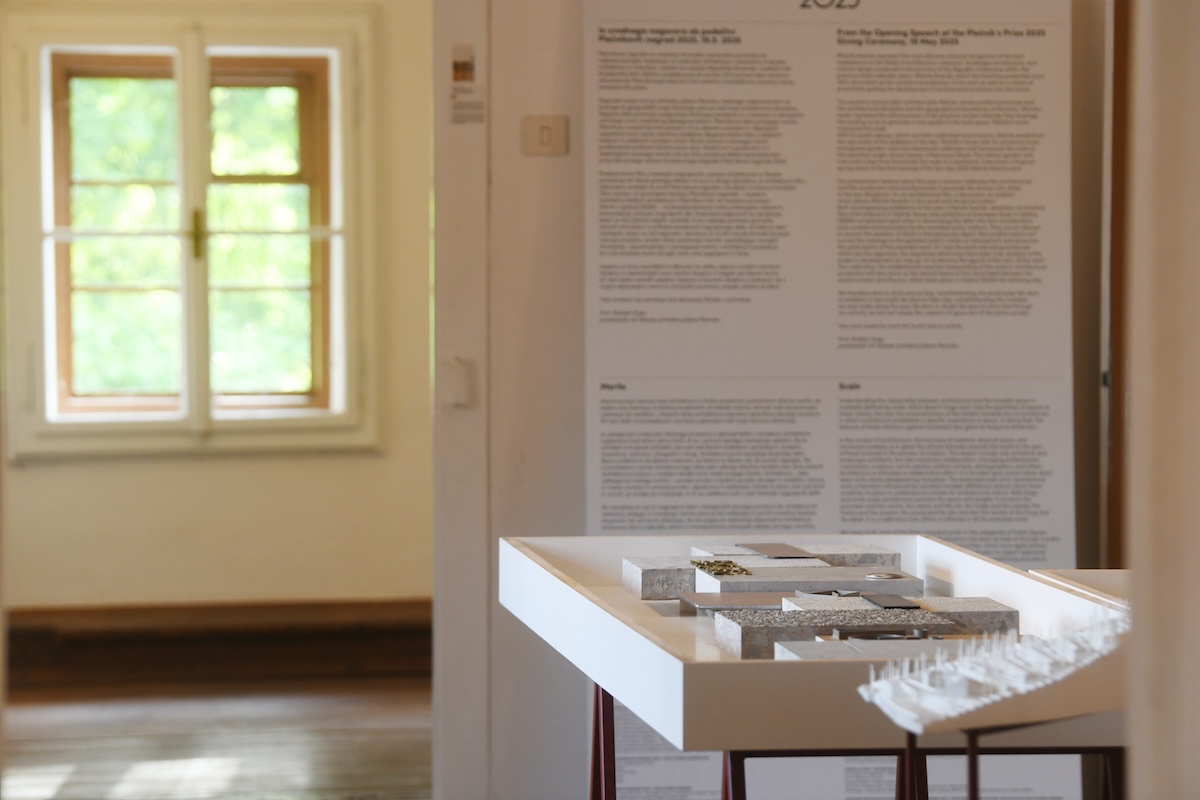
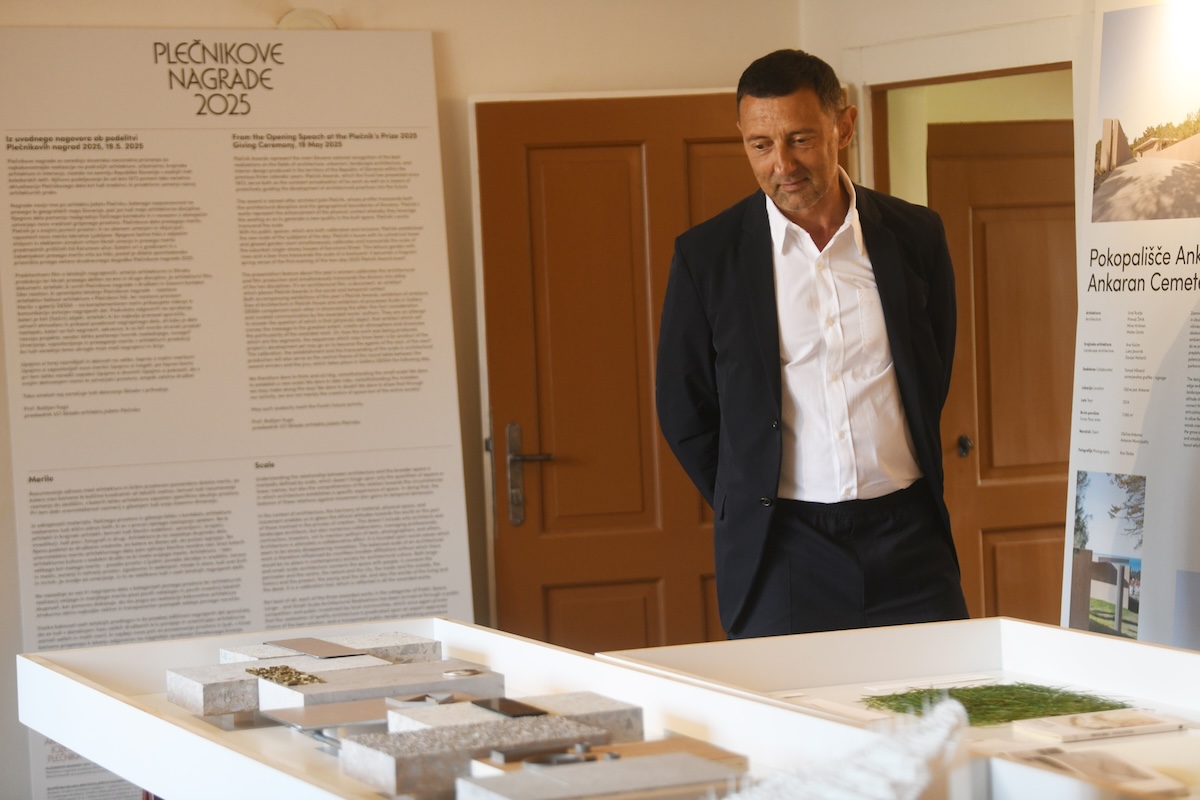
Razstava Plečnikove nagrade 2025: Velikost arhitekture je bila na ogled v Plečnikovi hiši od 19. 5. – 8. 6. 2025.
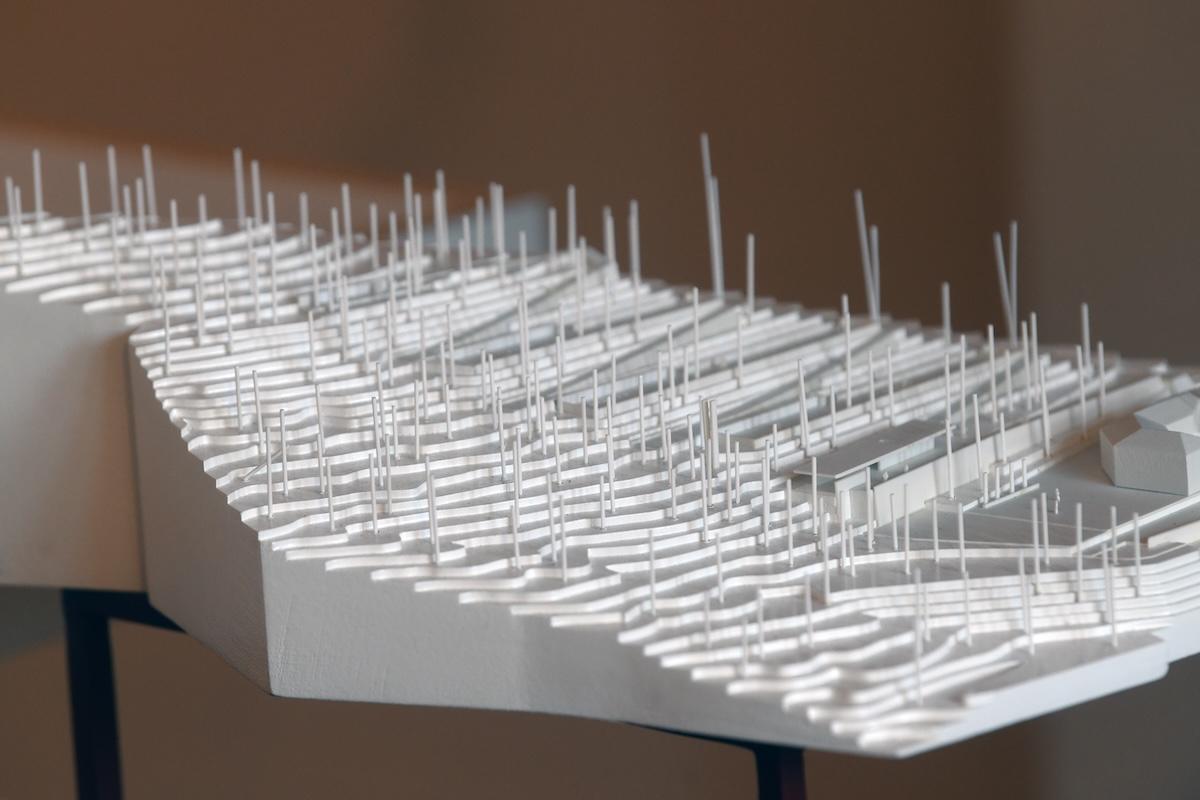
Razstava nagrajena dela predstavlja skozi temeljno idejo projekta, ki ga letos postavljamo v kontekst "velikosti".
Velikost v arhitekturi je lahko fizična ali abstraktna, merljiva ali metaforična.
Arhitekturno dejanje je večplastno in združuje številne dimenzije: fizično velikost, kulturno vrednost, družbeni vpliv, duhovno razsežnost, presežnost filozofske ideje, daljnosežnost vizije, ustvarjalni razpon, ali umetniško izjemnost. Predvsem pa je arhitektura medij, ki ga doživljamo izkustveno, v odnosu do širšega konteksta in v povezavi z naravo in ljudmi. Uravnotežiti zna razmerja in harmonizirati odnose: majhna arhitektura je lahko kulturno in družbeno velika – ali obratno.
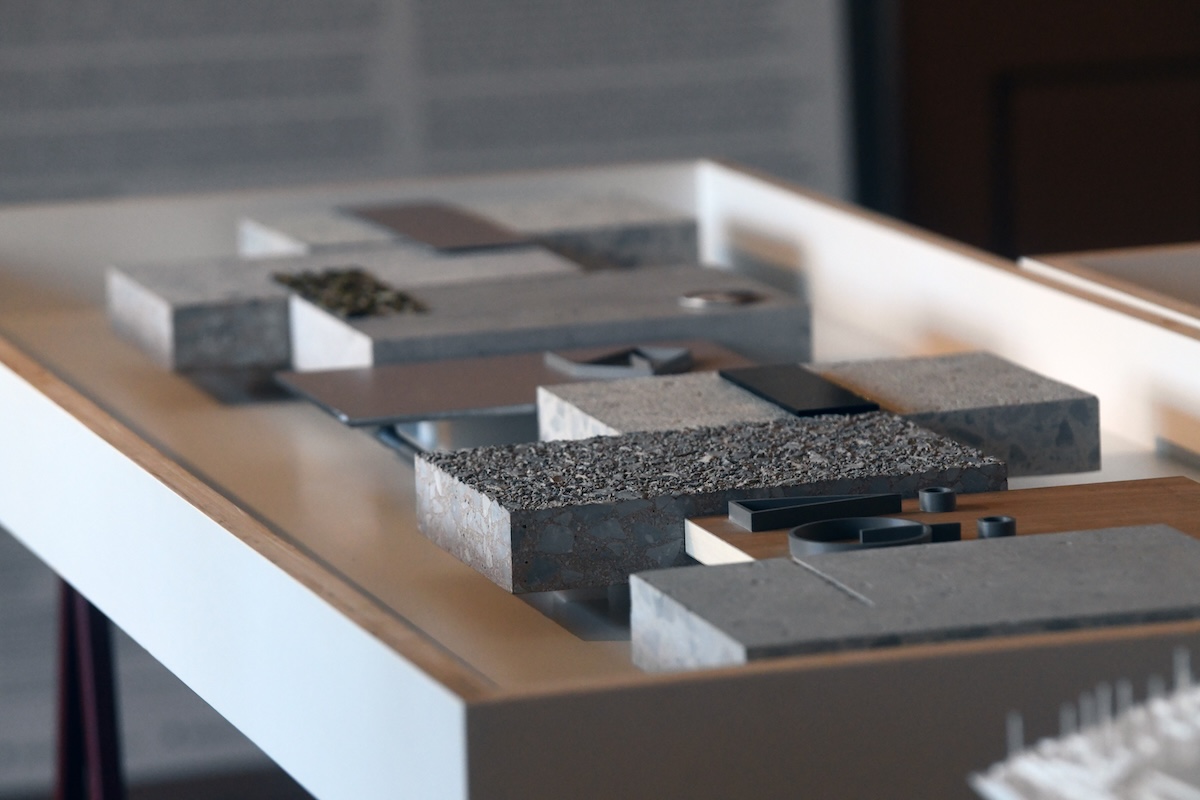
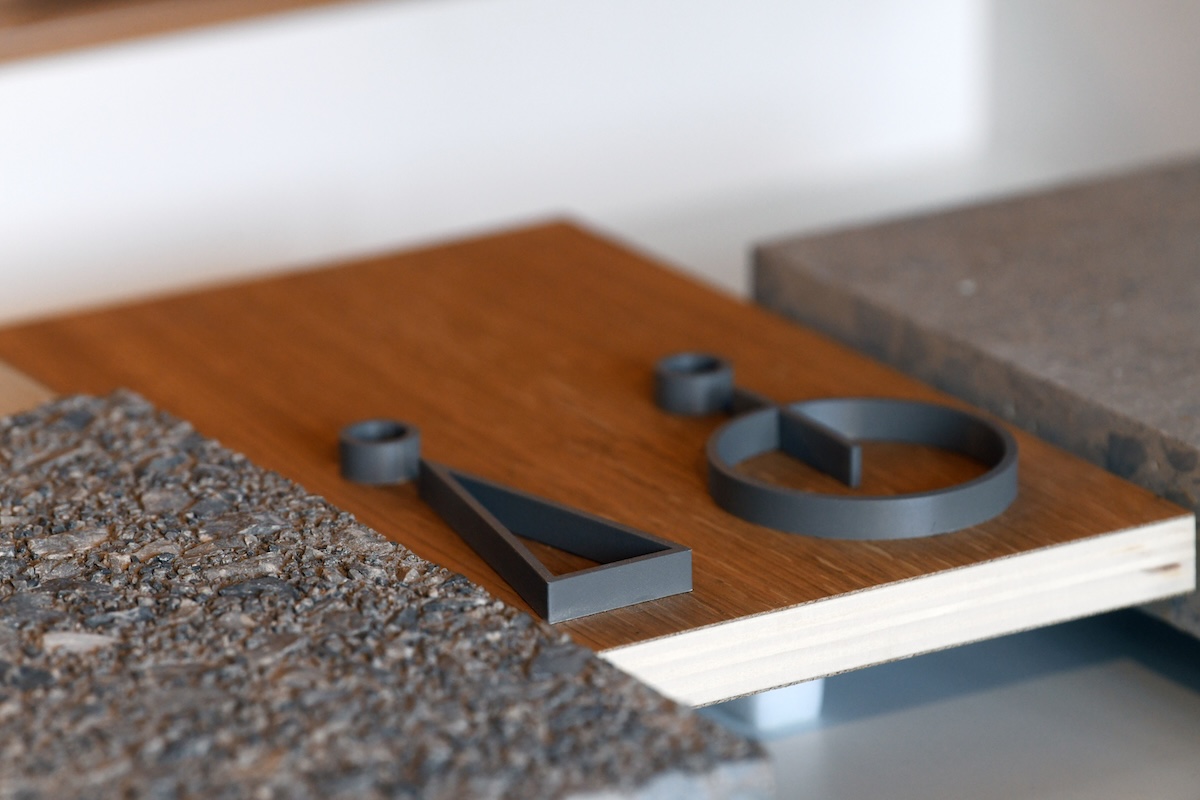
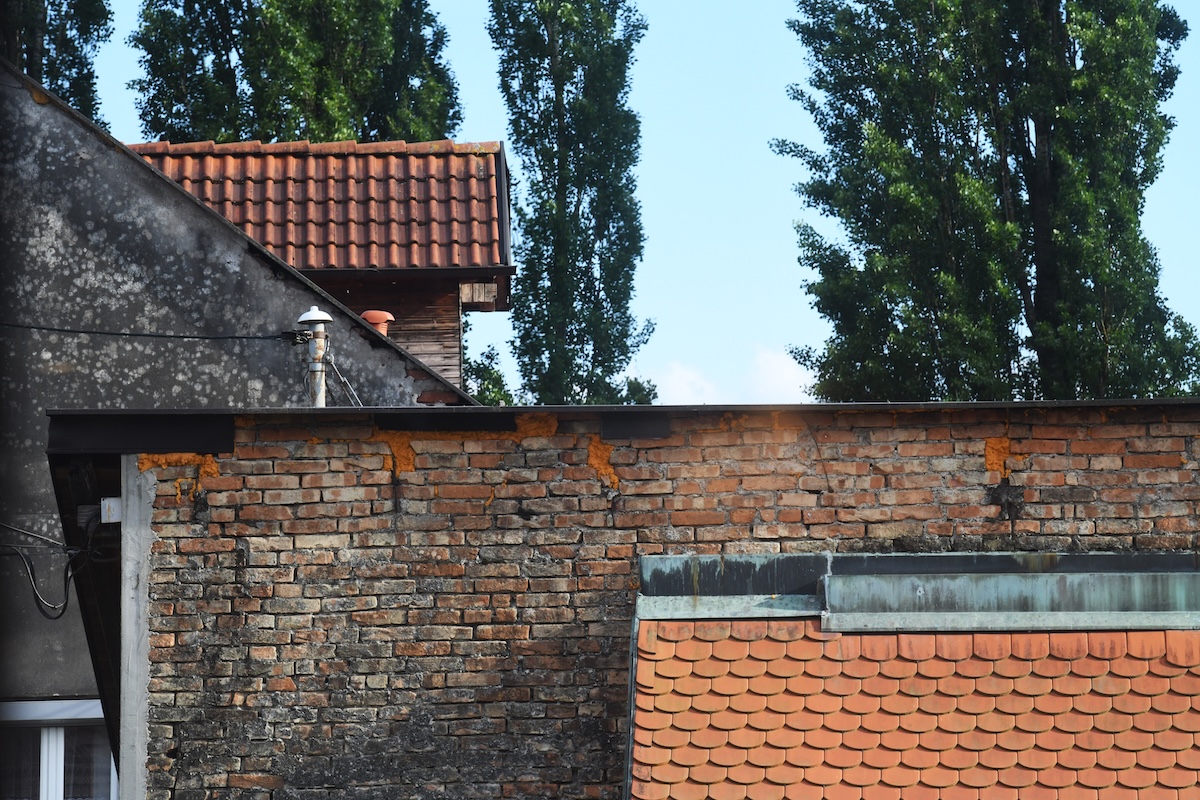
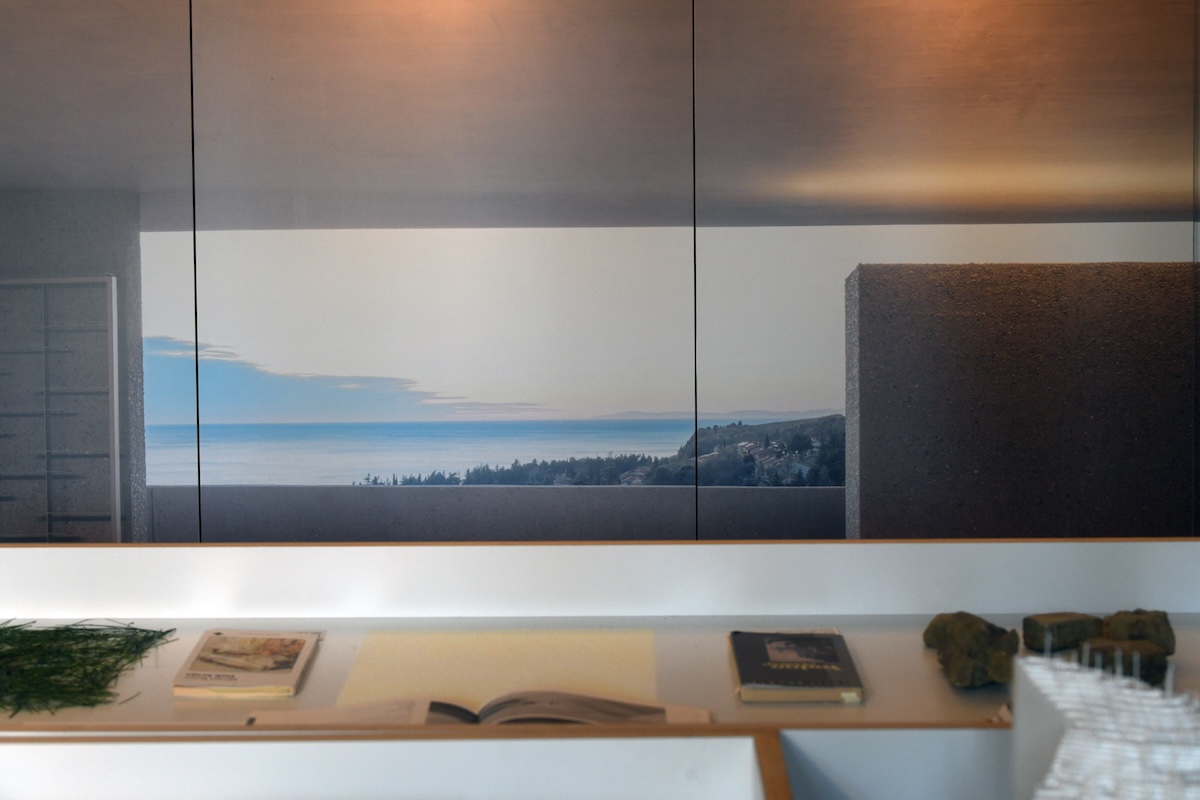
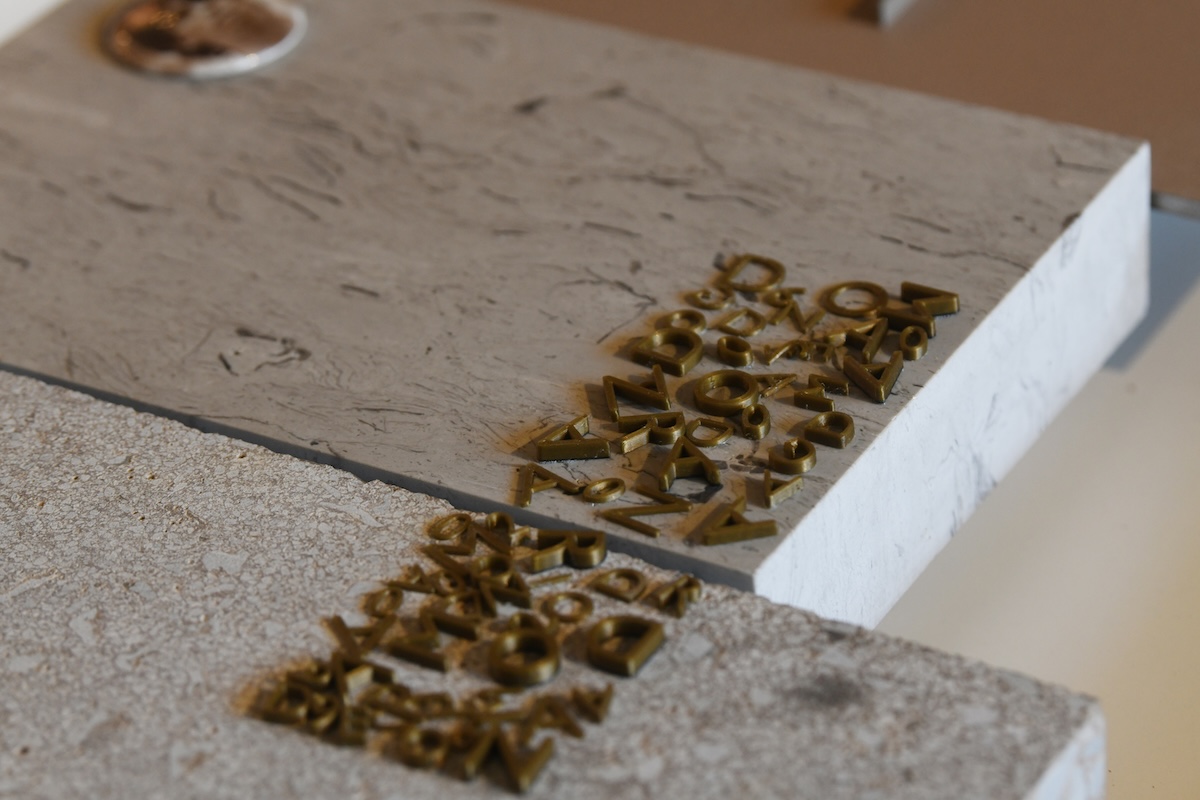
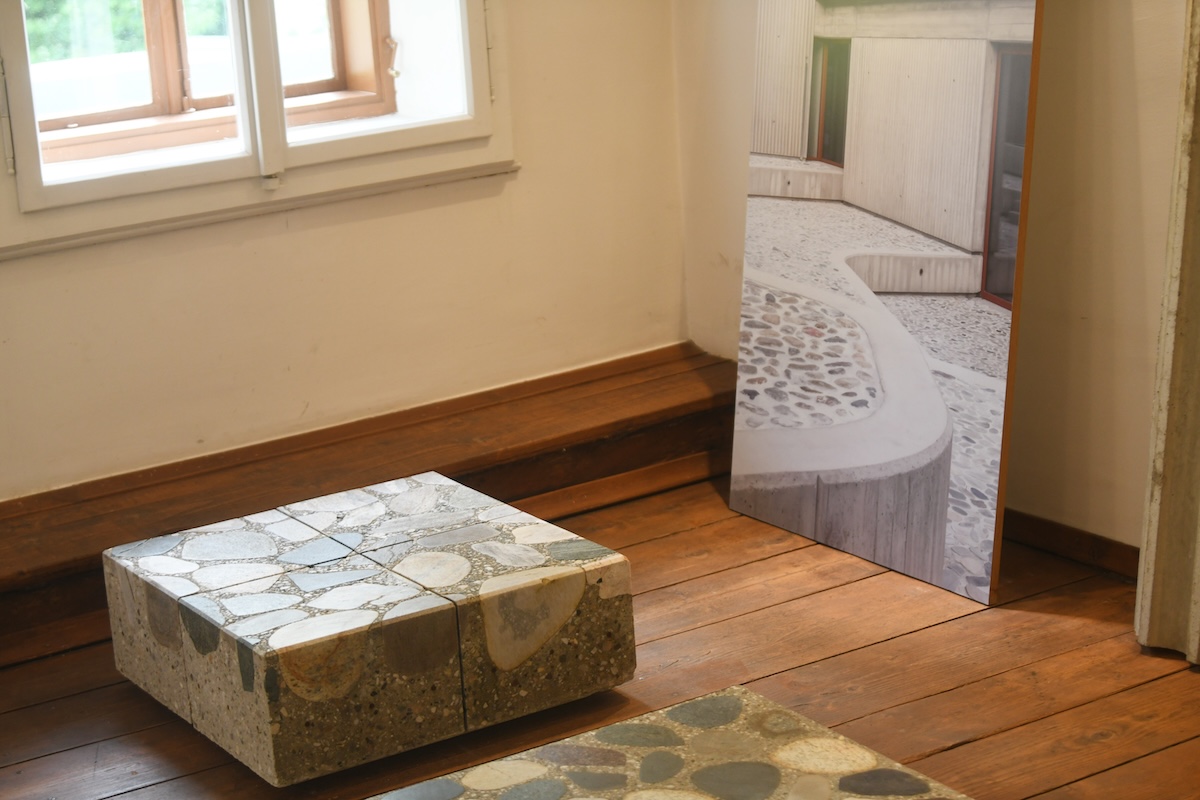
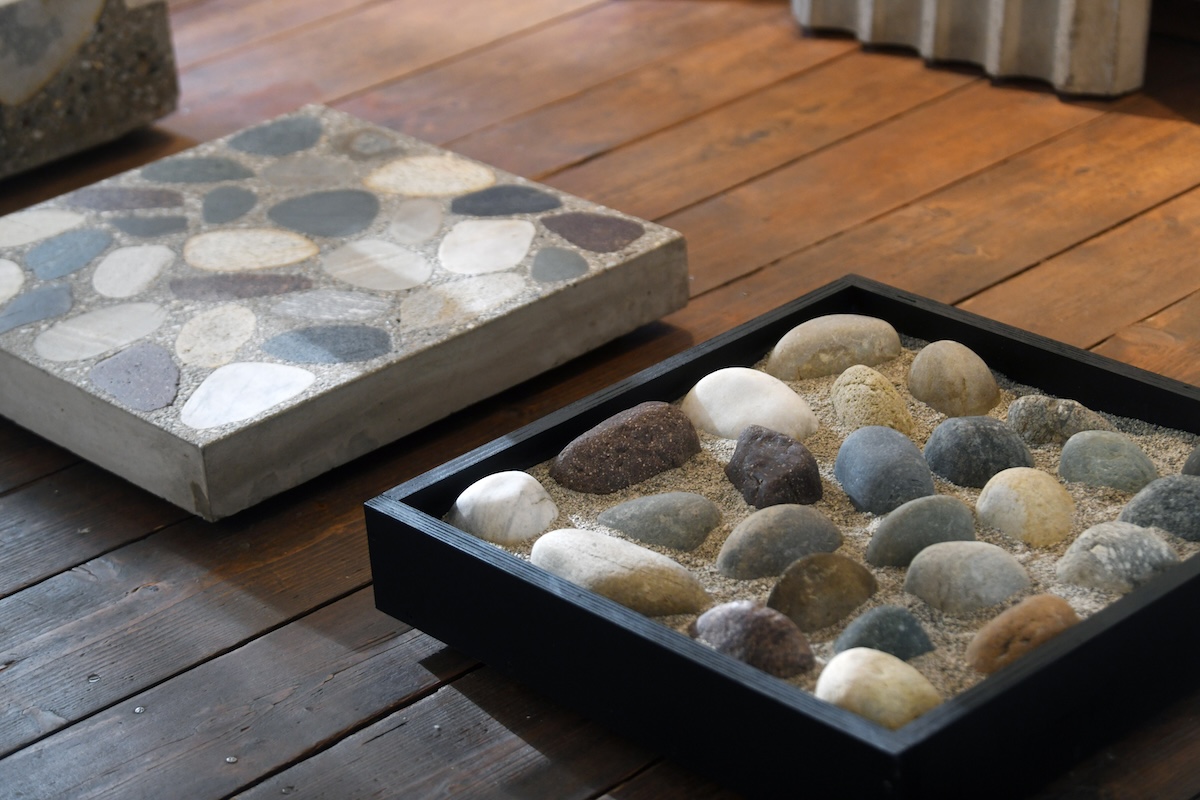
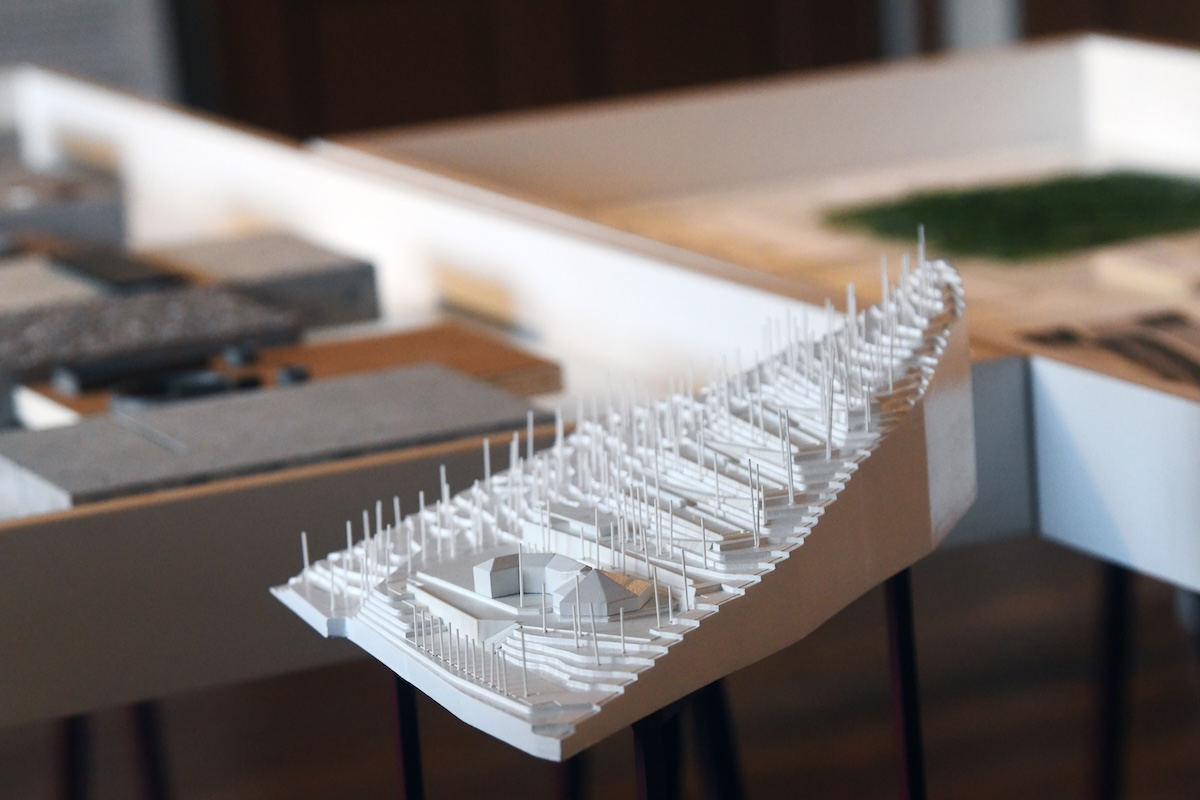
Razstava v Plečnikovi hiši je skozi izbrane prostorske fragmente izpostavila osrednjo temo projekta oziroma vodilno idejo arhitekturnega posega. Namesto klasične, objektivne predstavitve odsotne arhitekture je zavestno ubrala nasprotno pot – ideje nagrajenih projektov, teoretskih in digitalnih praks so bile predstavljene v materializirani obliki, kot otipljivi artefakti, ki razpirajo njihovo vsebinsko in konceptualno jedro.
Jerneja Fischer Knap in Urša Vrhunc.
The responsibility for the management and organisation of the 2025 Plečnik Award call for submissions and award ceremony was assumed by Boštjan Vuga and Urša Vrhunc on behalf of the Fund.
The 2025 Plečnik Award ceremony was made possible by Architect Jože Plečnik Fund members and sponsors: Ministry of Culture of the Republic of Slovenia, Ministry of Natural Resources and Spatial Planning of the Republic of Slovenia, City Municipality of Ljubljana, Arcadia Lightwear, Corwin, Ljubljana Railway Construction Company, and Tosidos.